
Let’s face the facts. A good homemade dry shampoo can be an absolute lifesaver.
I still remember the morning of my big client presentation last month. I woke up exactly twenty minutes late. And I looked in the mirror. My roots were an absolute disaster zone. They looked like an oil slick. I grabbed my trusted aerosol bottle of dry shampoo. I pressed the nozzle. Of course, it sputtered out its final, useless puff of air.
My options were grim. I could step out looking completely unwashed. Or I could spend forty minutes doing a full wash and blow-dry.
But following all those scary global product recalls due to benzene contamination in aerosol cans, I had already vowed to stop panic-buying toxic sprays. I decided to raid my own kitchen containers instead.
Honestly? My hair has never looked better.
I’ve spent months testing everyday pantry staples. Some were absolute disasters. Baking soda left my scalp burning and intensely itchy. But a few select hacks worked like genuine magic. If you want to dump the chemicals without sacrificing day-two volume, here is my unfiltered guide. These alternatives actually deliver.
| Quick Answer: How To Make A Homemade Dry Shampoo? To make a homemade dry shampoo that caters to your hair type, choose either a cornstarch or arrowroot powder base because they’re excellent at drying oils. To add colors, you could use natural ones like cinnamon, cocoa, or activated charcoal that will help you achieve the desired shade. You might be thinking about the purpose of coloring is but, trust me, it’s just a clever little trick. Once you’ve put all ingredients together, you need to apply it with a gentle, soft face makeup brush so as not to leave a chalky spot. |
How To Make A Homemade Dry Shampoo?
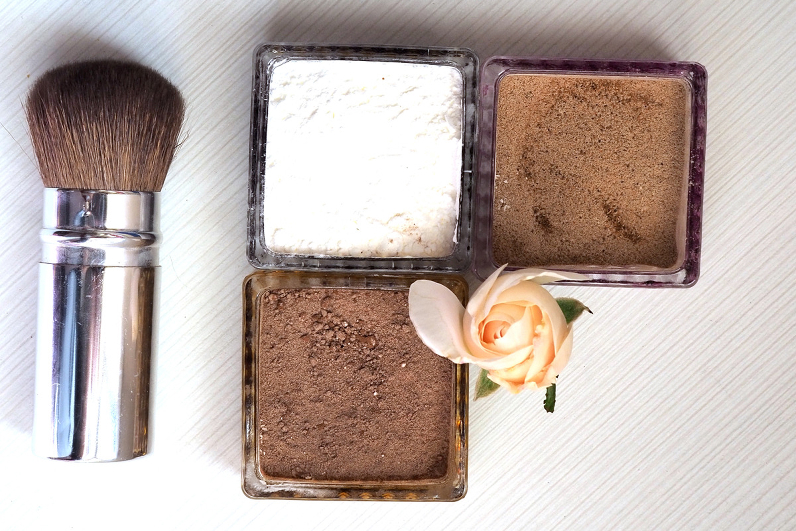
You can easily make dry shampoo at home just the way you like it. Start with a base of cornstarch or arrowroot powder for quick oil pickup.
But you have to be careful with the color. You do not want a chalky white powder showing when you rub it into your roots. To fix this, add a small amount of a natural ingredient that matches your exact hair color.
For example, use ground cinnamon if you have red hair. Add a bit of unsweetened cocoa powder for dark brown hair. If you have black hair, powdered activated charcoal is the perfect match for your dark roots.
When you are ready to apply it, grab a makeup brush. Make sure it is clean and soft. Use it to dust the powder directly along your parting lines where you need it the most. This simple trick ensures everything blends in completely seamlessly.
Designing A Base That Won’t Ruin Your Scalp
If you are going to mix your own formulas at home, you have to be smart about science. You cannot just throw random pantry powders onto your head and hope for the best.
If you read most generic DIY beauty blogs, they will tell you to mix cornstarch with baking soda. Don’t do it.
Baking soda is highly alkaline. Your scalp’s natural environment is slightly acidic. If you apply baking soda to your roots regularly, you will strip your scalp’s protective barrier. This leaves you with extreme dryness, flaking, and severe hair breakage.
A real, safe DIY base is much simpler. Mix two tablespoons of cornstarch or arrowroot powder with one teaspoon of bentonite clay. The starch absorbs the surface grease cleanly. Meanwhile, the clay keeps the powder texture silky and smooth.
The Hair Color Matrix: Avoiding The White Cloud

The biggest problem with kitchen starches is the dreaded “Victorian ghost” look.
As an Indian woman with thick, jet-black hair, this was my biggest hurdle. The first time I patted pure white cornstarch onto my part, I gasped. I looked like an extra in a horror movie. My hair looked completely ashy and gray.
To make your natural dry shampoo blend invisibly, you need to tint the base to match your specific hair color.
Use these quick adjustments:
For Black Hair:
This is my personal holy grail. Mix one tablespoon of arrowroot powder with one teaspoon of pure activated charcoal powder.
I was terrified it would look messy. But it blends perfectly into jet-black roots. It leaves behind zero white dust.
For Dark Brown Hair:
Mix your starch base with one teaspoon of unsweetened cocoa powder. It matches espresso tones flawlessly.
Plus, your hair ends up smelling faintly like a chocolate brownie. Just make sure the cocoa is 100% sugar-free. Otherwise, you will have sticky sugar melting down your neck by noon.
For Redheads:
Add one teaspoon of ground cinnamon powder to your starch mix. This maintains your natural warm, copper undertones cleanly.
For Blonde or Vivid Colors:
Stick to the basic combination of pure arrowroot and bentonite clay. You don’t need any color additives to make it blend.
Adjusting Your Homemade Dry Shampoo For Indian Weather
Let’s be completely direct about our weather. Standard Western beauty blogs assume you are using dry shampoo in dry, temperature-controlled rooms. In India, we are dealing with intense, relentless humidity. We have to face heavy sweat during the monsoons.
I learned this the hard way last July.
I applied a heavy layer of cornstarch to my scalp before heading out to catch an auto. By the time I reached the metro station, the humidity had ruined everything.
The powder mixed with my sweat. It clumped up fast. It turned into a sticky, paste-like sludge running down my temples.
Total nightmare.
During high-humidity months, skip the heavy starches entirely. Swap your base to pure Multani Mitti (Fuller’s Earth) or finely ground Rice Flour.
I always keep a small jar of Multani Mitti in my bathroom now. Rice flour also works beautifully because it has a much lighter particle weight than cornstarch.
It absorbs surface sebum cleanly. Most importantly, it won’t turn into a sticky paste when you sweat on your daily commute.
The Essential Oil Rule: Fragrance vs. Medicine
Adding a few drops of essential oils to your dry shampoo mixture is a great way to add a touch of freshness. Oils like tea tree, rosemary, or lavender smell incredible. They can leave your scalp feeling refreshed and cool.
But let’s be entirely critical about the internet hype: essential oils are a fragrance enhancement, not a medical miracle cure.
Despite what viral TikTok and Instagram videos claim, rosemary oil is not a direct substitute for medical treatments like minoxidil.
I tried using it during a stressful phase when my hair was shedding heavily. It did not magically reverse chronic hair fall overnight. Treat these oils as a natural perfume for your hair, not a prescription.
The Champi Conflict: Natural Powders vs. Heavy Hair Oils
We all love a good, traditional Sunday champi. Nothing beats a head massage with heavy coconut, amla, or mustard oil. But you need to understand a hard boundary: DIY dry shampoo is meant to absorb daily scalp sebum, not heavy hair oils.
If you have a thick layer of Parachute coconut oil sitting on your roots, do not try to fix it on a Monday morning by dumping kitchen starch onto it. The starch cannot handle that level of density.
I tried this once out of sheer laziness. It was an absolute disaster. I ended up with a chalky, matted mess. It looked like gray cement on my scalp. It took three aggressive rounds of liquid shampooing just to get it out.
Use your kitchen formulas strictly for day-two or day-three natural grease. When it comes to washing off a traditional oil massage, stick to your regular liquid clarifying shampoo.
Natural powders are a clever optical illusion for a quick office refresh. They are never going to replace a real, deep water wash.
The Clumping Trap: How To Mix It
Don’t ever pour liquid essential oils into loose starch powder without diluting it first. The liquid will cause the powder to stick together instantly like glue, making an extremely thick paste that will never come out of your hair, mainly if it’s black hair. This can be quite difficult to style and manage anyway
Instead, use the Aroma Transfer Trick. I do this every time I make a new batch. Apply six to eight drops of your favorite essential oil onto a clean cotton round. Drop that cotton round inside your sealed jar of dry shampoo powder. Leave it overnight.
The starch will absorb the fresh scent completely. Meanwhile, it remains a perfectly dry, fine powder. It takes an extra day to prep. However, it saves you from a massive, clumpy mess in the morning.