

| Quick Answer: How To Reduce Expenses? To reduce expenses effectively, audit automated subscriptions, pause impulse digital purchases for 48 hours, optimize high-frequency food delivery apps, and set automated savings transfers immediately upon receiving your monthly salary. |
The topic of the day: How to reduce expenses and still live your life to the fullest?
Money is tight for a lot of people right now. More than 7 million adults are struggling just to keep up with bills or loan payments. For many, one surprise expense could throw everything off.
When money feels this stretched, even those little spending leaks or creeping debt start to look like real problems – things you can’t just brush off.
If you’re trying to get a handle on your finances or just want to know how to avoid getting stuck in credit traps, this article’s for you. It’s packed with down-to-earth ways to cut back on spending without making you feel like you’re missing out.
There, to learn how to reduce expenses, keep reading!
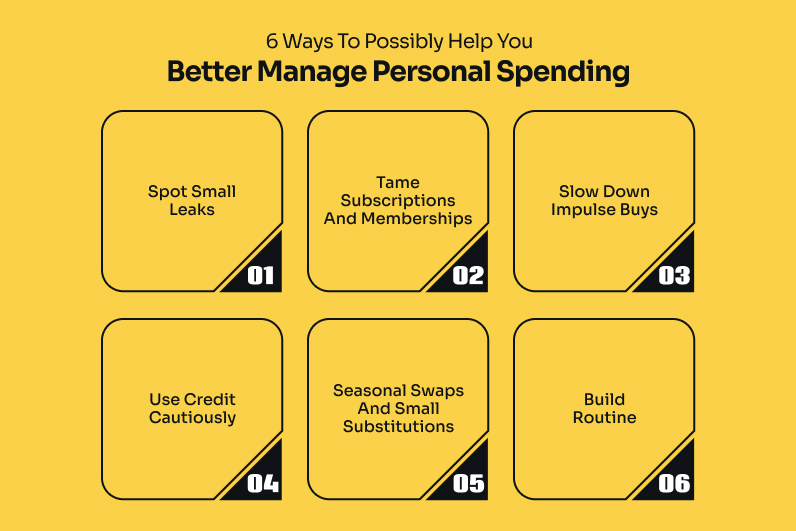
How To Reduce Expenses: 6 Ways To Possibly Help You Better Manage Personal Spending
Cutting expenses isn’t really about math. It’s all in your head. Our brains crave that quick thrill from spending – grabbing a latte or buying something on impulse – way more than the vague idea of saving money for later.
And once those little luxuries sneak into your routine, they don’t feel like treats anymore. Suddenly, you “need” fancy coffee every morning or can’t imagine dropping a streaming service.
Then there’s everyone else. Social media throws everyone’s highlight reel in your face, so you start feeling like you’re missing out if you don’t keep up.
Add in all those subscriptions quietly draining your account each month, and it’s easy to lose track of what you’re actually spending.
By the end of the day, decision fatigue kicks in. You’re tired, so you grab takeout or click “buy now” just to make life a bit easier.
The real struggle isn’t just about sticking to a budget – it’s about pushing back against habits, biology, and marketing that’s way smarter than we think.
If you want to know how to reduce expenses, here are 6 ways that can do wonders:
1. Spot Small Leaks
Begin by tracking every single expense for a week. It sounds like a pain, but it really shows you where your money disappears.
Most people have no idea how much they spend on takeout, coffee, or those random online purchases.
Grab a spreadsheet or a basic budgeting app – whatever works for you – and look for repeat payments you usually overlook.
If you line up three months of statements, you’ll spot trends you’d miss if you only checked one month.
This isn’t about beating yourself up. It’s about figuring out where you can tweak your habits so even small changes actually make a difference.
2. Tame Subscriptions and Memberships
According to the SalarySe UPI Transaction Study, bills and recurring subscriptions swallow a massive 20.1% of a salaried Gen Z’s monthly income. [Source: Money Control]
We get caught in the ‘app trap’ of Zomato Gold, Swiggy One, Netflix, and Spotify because each fee looks harmless. But data shows active Indian millennials quietly shell out anywhere between ₹5,200 to ₹11,700 every month on automated recurring plans.
Take a morning to check your auto-debits and cancel just one multi-OTT bundle you haven’t opened in the last 30 days.
Don’t forget the free trials that quietly rolled into paid plans, and start with the simplest step, cancel one recurring payment you did not use this month.
3. Slow Down Impulse Buys
Impulse buys are emotional and immediate, so a 48-hour pause rule can help with non-essential purchases. It is a buffer that lets you check whether the purchase still seems reasonable after the initial rush.
For many people, it prevents buyer’s remorse and reduces the number of returned items. At times, people try pairing the pause with a wishlist folder in their online account so they do not lose the item entirely.
Over a period, some items never make it off the wishlist, and that tells you something useful about your real priorities.
To stop this silent leak, remove your credit card details from these delivery apps and commit to a weekly local market list instead.
4. Use Credit Cautiously
Credit can smooth out those months when money’s tight, but honestly, it can also make things worse down the line if you’re not careful. Borrowing comes in all shapes and sizes, with costs that aren’t always easy to spot at first.
When people think about taking on credit, they usually look at the terms and try to figure out the real price tag by the time they’ve paid it all back. It’s smart to do that.
Still, a lot of people end up struggling to pay off what they owe – surveys show millions run into trouble, and it happens more often than you’d think. That’s why it’s better to treat credit like a strategy, not a snap decision.
Shopping around helps. Each lender has their own rules and fees, and your own situation plays a big role in how things shake out.
Before you commit, ask yourself things like, “Will I regret this payment in three months?” Sometimes, thinking it through like that makes all the difference.
5. Seasonal Swaps and Small Substitutions
A few smart changes can really help you hang on to more of your money, and honestly, it doesn’t have to feel like a sacrifice. Try making your own coffee a few days a week.
Instead of cutting out joy completely, make targeted swaps. Swap out daily, premium, ready-made workspace lattes for a high-quality home brew, and watch out for the summer electricity bills when the AC runs non-stop.
If you are living in a shared metro apartment, split costs efficiently on fixed assets by using furniture renting platforms like Furlenco or Rentomojo to keep massive upfront setup deposits from entirely wiping out your emergency cushion.
Trust me when I say this – these little shifts take the pressure off. And eventually, over time, those small savings start to build into something more.
6. Build Routine
Build your budget around how money actually comes in. If you get paid once a month, plan for the month ahead. But if your income’s all over the place, start by setting aside a basic safety net.
Setting up a small automatic transfer to savings right after payday keeps you from blowing it all at once. Splitting your cash between different accounts – one for rent, another for everyday stuff – makes it way harder to overspend by accident.
Routines make things easier. They cut out the guilt and stress, so your budget feels like part of life, not some punishment.
The Quick-Fix Spending Audit For Indian Working Professionals
Here’s how you can understand where and how to reduce expenses:
| High-Frequency Expense | Financial Impact | How To Reduce Expense |
| Instant Delivery Apps | Drives a 75% increase in unplanned impulse orders. | Delete saved UPI/cards to introduce purchasing friction. |
| App Subscriptions | Consumes up to 20.1% of a young professional’s income. | Consolidate duplicate OTT packages and cancel inactive gym passes. |
| Aspirational Credit | Drives high financial strain due to peer pressure. | Stick to the 48-hour rule before using “Buy Now, Pay Later” options. |
Living Your Life To The Fullest After Reducing Expenses
If you want to live well without emptying your wallet, stop chasing material things and lean into experiences instead. I know that it’s easier said than done – but it is what it is! And it all comes down to romanticizing your life!
Make it easy on yourself – set up automatic savings so the money’s gone before you even think about spending it. When it comes to spending, go all-in on what makes you happy and cut out the rest.
Ditch those forgotten subscriptions or overpriced cable packages, then go ahead and treat yourself to things you actually care about, like a weekend trip or a new hobby.
Hanging out with friends doesn’t have to drain your bank account either. Host a potluck at home instead of shelling out for dinner at a restaurant.
And before you buy anything big, give it a couple of days. If you still want it after 48 hours, go for it. That way, you’re buying what really matters – not just grabbing stuff on a whim.
Staying on top of everyday spending really just takes some self-awareness and a few habits that actually work for your life.
When you know where your money goes, it’s easier to steer clear of debt or overspending. Even little changes add up.
Before you know it, you’re not just getting by – you’re actually in control of your money and making smarter choices about what comes next.