
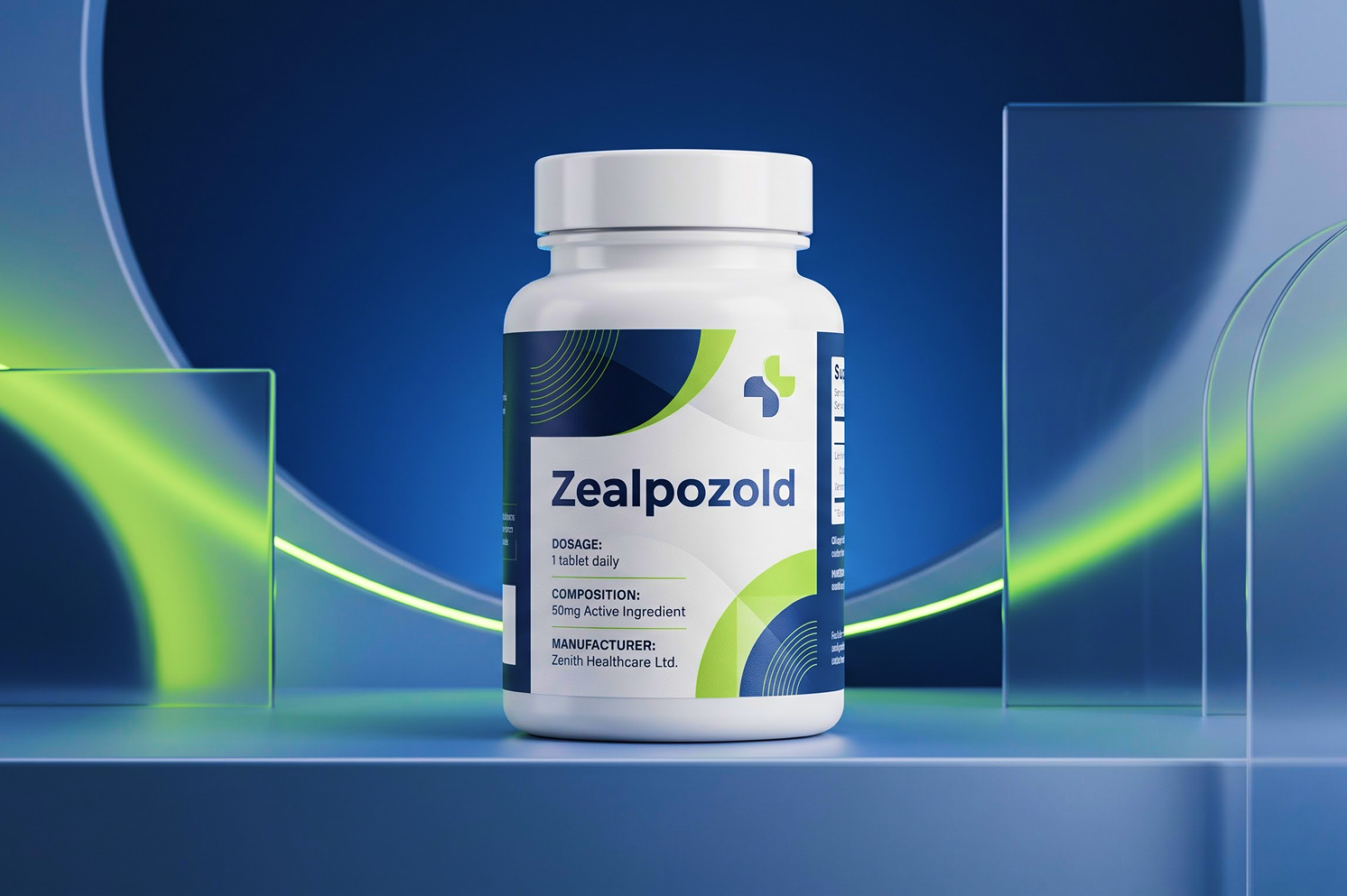





If you’re digging around for facts about Zealpozold brand, you’ve probably entered one of the weirdest corners of the internet. Lately, it feels like this name pops up everywhere across Indian social media – claims fly left and right.
One viral post promises a gentle serum that gives you gleaming glass skin. Another swears it’s some kind of high-tech wearable for biohacking. Then there’s the post that says it’s an herbal supplement for focus, “backed by clinical science.”
But here’s the kicker: try to buy it, and you hit a dead end.
There’s no official shop, no verified trademark, no address. Basically, you’re staring at the modern ghost brand – a product that exists only in viral posts churned out by anonymous content farms.
For anyone shopping wellness online, figuring out what’s legit has never been more confusing.
The Hallucination Loop: How AI Search Engines Fabricate Brands
So, what’s going on here? It all boils down to the way AI search engines and chatbots now work. According to a November 2026 report from Marketing Tech News, AI-based tools often cite random, unverified websites when they answer shopping queries.
Brand protection firm Podqi dug through close to 7,000 AI responses and found nearly one out of ten included risky or downright fake websites.
Here’s how it spins out: automated blogs scrape trending phrases or made-up terms, which turns the web into a giant echo chamber. One bot generates a review on a supplement that doesn’t exist.
A second bot copies that review, tweaks it a bit, and calls it the next skincare breakthrough. Eventually, search engines take this mess and assume it’s real demand. What you’re seeing isn’t grassroots hype – it’s bots talking to each other, while actual shoppers just get sucked in.
How Algorithmic Echo Chambers Trick Shoppers
AI content farms crank out thousands of articles every day. People click out of curiosity, and algorithms read those clicks as genuine interest, so the fake keyword rockets up search rankings.
The Identity Crisis: Supplement, Serum, or Smart Device?
Upon investigation, the viral content for Zealpozold reveals it has no coherent background. Legitimate wellness brands invest heavily in creating a clear identity. However, Zealpozold appears to be able to be many different products.
Below is a summary of the different products claimed to be sold by Zealpozold.
- Glowing Skincare Product: Some blogs have claimed Zealpozold is a natural skincare product.
- Nootropic Supplement: Other sites have claimed Zealpozold is a supplement containing L-Tyrosine and Rhodiola to boost concentration and mental energy.
- Wearable Device: However, others have claimed Zealpozold is a wearable device, which “trains your body for alertness.”
It is impossible to create a skincare product, supplement and wearable bio-hacking device – all under the same ghost brand name – with no press releases. Therefore, this product is completely fictional.
The Ghost Manufacturer: Investigating ZP Industries
This is not the only issue about Zealpozold brand searches. Many spam blogs claim to have information about the manufacturer, ZP Industries.
These claim to be a mid-size company that brings together nutritional science and smart technology. Clinical trials have been conducted, and all ingredients included in this product are listed.
However, looking at corporate registration data shows that neither ZP Industries or Zealpozold exists within official records in India, nor in international trademark listings. There is no supplement facts section, batch numbers, or clinical research to support this product.
Despite this, the language makes the content appear reliable. Many fake articles include common corporate phrases such as ‘clinical trials’ and ‘user testing.’ However, as most people will briefly glance at these articles, they appear legitimate.
If these articles resemble real health magazines, people will assume that they have been verified by professional teams.
India’s Gen Z Wellness Boom Makes You Prime Target
Why are these phantom wellness trends targeting young Indian consumers right now? Simple. Because that’s a huge market – and scammers know it.
As young people in India are investing in wellness products and using digital tools, scammers produce spam articles including fake wellness trends. 90% of shoppers in India use health apps. [Source: Fortune India, citing PwC India Report]
Therefore, you are likely to be shown many exaggerated claims in your feed. Scammers hope that you click on the links, buy the fake products, or give personal information over on WhatsApp.
The Regulatory Blind Spot: What FSSAI And ASCI Rules Say
Within India, selling supplements is unregulated. All supplements must contain a 14-digit license number, ingredients list and warnings.
However, in November 2026, The Hindu reported that 6 supplement companies had had their licenses revoked due to major violations.
Additionally, influencer marketing must now follow regulations set by the Advertising Standards Council of India (ASCI), meaning influencers must disclose if they are paid to promote their product. They must also provide credentials.
Despite this, spam content still appears. If you purchase a mysterious pill from these random links on social media, you have no legal protection in the case of contaminated products.
Separating Real Facts From Viral Noise About Zealpozold Brand
Unfortunately, many of these blogs do not provide factual information about Zealpozold. Instead, they simply include generalized statements.
Within our investigation, we discovered that nothing is actually for sale from these blogs. However, they use psychology to trick people into buying the product.
They claim that Zealpozold provides slow, sustainable improvements. This is targeted towards busy students, night workers, athletes and anyone feeling tired.
This basically relates to common issues people face, people feel as though this fictional remedy would be relevant to them.
As this relates to burnout, people are more inclined to believe this product. When a post reads “Feeling exhausted? Try this gentle solution,” people become less cautious. It sounds relatable, so many people may be encouraged to try.
How Top Search Results Fail Readers Searching About Zealpozold Brand
Many of the top search results for Zealpozold include identical exaggerated claims.
- Exaggerated Claims: The top spam content for Zealpozold includes exaggerated claims of increased energy and improved mood. However, no real evidence is provided to back this up.
- Not Safe Info: None of the content mentions if the product meets FSSAI standards, what side effects could occur, or the dangers of purchasing random supplements from social media.
- No Proof of Origin: Other blogs simply take the claim from ZP Industries as fact. None of these blogs investigate whether Zealpozold is being sold anywhere.
By believing that this made up keyword refers to a real brand, you are at risk. This reckless approach is dangerous.
Your Gen Z Checklist For Spotting Ghost Brands
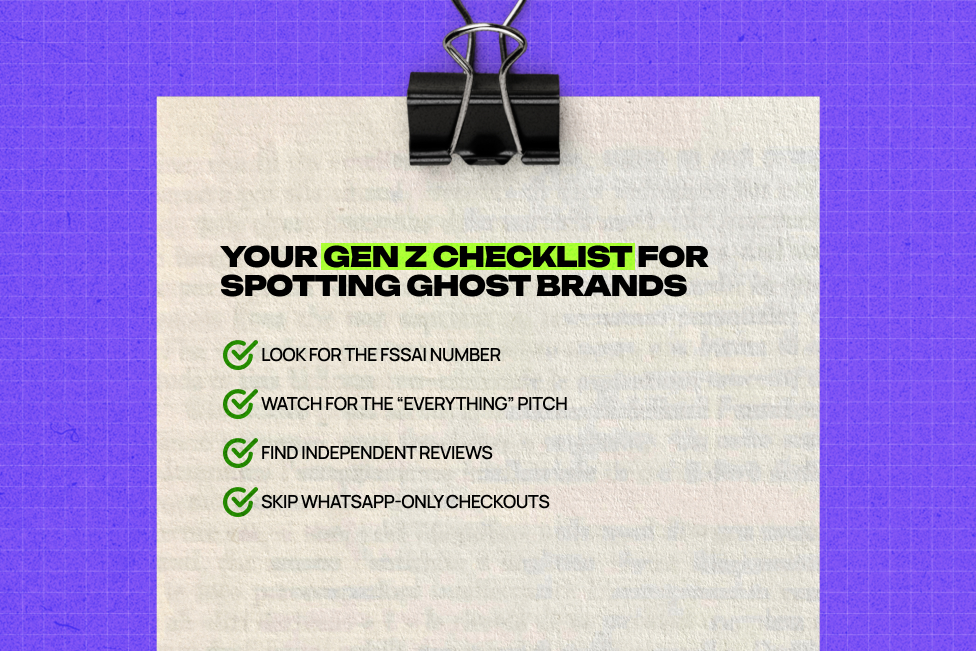
Here’s a quick checklist to spot ghost brands:
- Look for the FSSAI Number: If a brand is selling supplements, it must have a valid FSSAI number. Check if it is valid on the official website.
- Watch for the “everything” pitch: Too many uses? Legitimate brands aim to solve specific issues. If a product claims to improve the appearance of your skin, brain fog and energy levels during workouts, close the page.
- Find independent reviews: 1 in 3 young Indian consumers trust real customer reviews. (Rukam Capital). Find reviews on real forums, rather than generic reviews.
- Skip WhatsApp-only checkouts: Some reels encourage you to buy through private WhatsApp numbers. Avoid sending money or health related information through random links in chats.
The Bottom Line On Viral Wellness Myths
The surge in search about Zealpozold brand highlights issues in current marketing. As AI increases, fake reviews become much easier to make. Therefore, it is becoming increasingly difficult to distinguish real innovation from noise.
Legitimate wellness products do not come from ghost brands or anonymous posts. To ensure quality, whether for skincare or supplements, only choose companies that are transparent, properly licensed and truthful.
And yes, don’t give in to mysterious marketing. Both your health and money deserve quality products.