
It is 10:30 PM on a Tuesday. I just closed my laptop after a relentless workday. My calendar for tomorrow is already packed, and my couch is calling my name.
Trust me, the absolute last thing I want to do is stand in front of my bathroom mirror for 45 minutes. I simply refuse to execute a complex, 10-step K-beauty regimen.
I know you feel the exact same way.
When we hit our late 20s, a major biological shift happens to our bodies. Specifically, around age 25 to 27, our natural skin cell turnover rate slows down from a rapid 14 – 21 days to a sluggish 28 – 30 days.
Meanwhile, our natural collagen production begins its initial drop. In fact, it decreases by roughly 1% every year.
When I combine these biological shifts with corporate stress, urban pollution, and poor sleep, my skin suddenly loses its usual bounce.
As a result, it shows early fine lines, dehydration, or unexpected stress breakouts.
And let’s be honest, we cannot afford to skip our night care. However, we also cannot afford to waste our precious sleep time.
Therefore, I developed a high-impact, minimalist night skin care routine. It targets late-20s skin issues directly and takes under five minutes to complete.
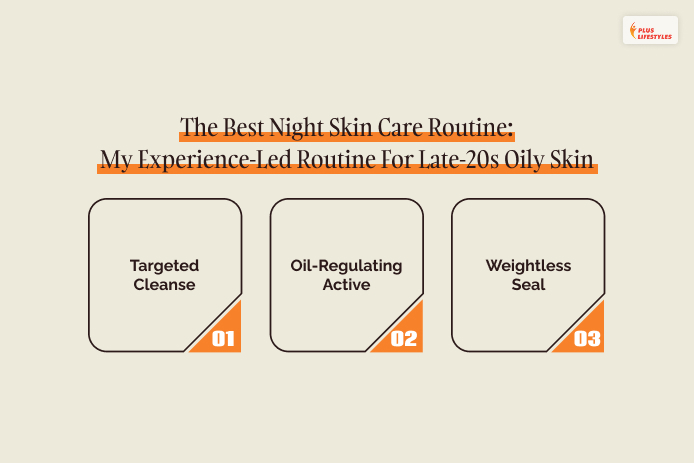
The Best Night Skin Care Routine: My Experience-Led Routine For Late-20s Oily Skin
For years, I believed the ultimate skincare myth. I genuinely thought that if you have oily skin, you must strip it clean and avoid moisturizers at all costs.
Consequently, in my early 20s, I aggressively attacked my oily T-zone with harsh, alcohol-laden toners and gritty physical scrubs.
This approach caused an absolute disaster. By stripping away my skin’s natural lipid barrier, I triggered an aggressive defense mechanism known as reactive seborrhea.
My skin panicked.
Then, it produced twice as much oil to compensate. Ultimately, I woke up every morning with a face so greasy it looked like a frying pan, paired with painful hormonal acne along my jawline.
Fortunately, through trial, error, and heavy dermatological research, I completely redesigned my approach. Oily skin in our late 20s does not need harsh stripping.
Instead, it needs intelligent regulation and barrier support. Here is the exact, streamlined three-step night routine I use to maintain clear, balanced, and fresh skin:
Step 1: Targeted Cleanse
Firstly, I rarely use heavy makeup balms. I only use them for full makeup. Instead, I choose a gentle Salicylic Acid cleanser.
Salicylic acid is oil-soluble. Therefore, it sinks deep into my pores. It quickly dissolves trapped oil and dead skin cells.
These cause late-20s adult acne (Check out my previous blog on skin care for acne-prone skin). I massage my face for 60 seconds. This gives the ingredients time to work. Then, I rinse with lukewarm water.
Step 2: Oil-Regulating Active
Next, I leave my face damp. I apply three drops of 10% Niacinamide serum. This serum is an excellent multitasker for busy women.
- First, it cuts down daily oil production.
- Second, it shrinks enlarged pores.
- Finally, it fades old breakout marks.
Every other night, I swap this for a low-strength Retinol. Retinol safely boosts cell renewal while I sleep.
Step 3: Weightless Seal
Finally, I never skip moisturizer. Instead, I apply an oil-free, hyaluronic acid-based water gel. This gel infuses my skin with water-based hydration without adding heavy, pore-clogging lipids. As a result, my skin stays perfectly matte yet deeply plumped.
Best Night Skin Care Routine For Other Skin Types
Skincare is never one-size-fits-all. If your skin is not oily like mine, your barrier demands a completely different set of active molecules to thrive.
To know in detail about the best self-care routine for every other skin type, check out the following:
- Skin care routine for dry skin.
- Skin care routine for combination skin.
- Skin care routine for sensitive skin.
Based on my synthesis of peer-reviewed clinical studies and consensus statements from world-class dermatologists, here is how I recommend adapting this minimalist night routine for Dry, Combination, and Sensitive skin types.
1. The Dry Skin Routine (The Moisture Barrier Rescue)
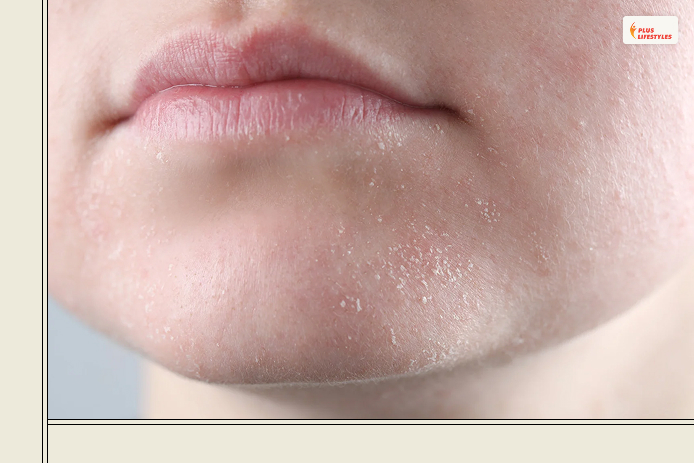
Dry skin suffers from an inherent lack of natural lipids. This deficiency results in a compromised stratum corneum, which is the outermost skin layer.
Consequently, moisture evaporates rapidly via trans-epidermal water loss (TEWL). This causes flakiness, tightness, and premature fine lines.
- Step 1 (Cleanse): I recommend a non-foaming, soap-free milky emulsion or cream cleanser. Look for formulas infused with glycerin or thermal spring water. These ingredients cleanse your face without disrupting your remaining lipids.
- Step 2 (Treat): I advise applying a multi-molecular Hyaluronic Acid serum directly onto damp skin. Immediately follow this with a Peptide serum to support your natural collagen structures.
- Step 3 (Seal): I suggest a rich cream packed with Ceramides and Squalane. Ceramides act as the “mortar” between your skin cell “bricks.” They actively rebuild the broken barrier and lock in moisture overnight.
2. The Combination Skin Routine (The Intelligent Balancing Act)
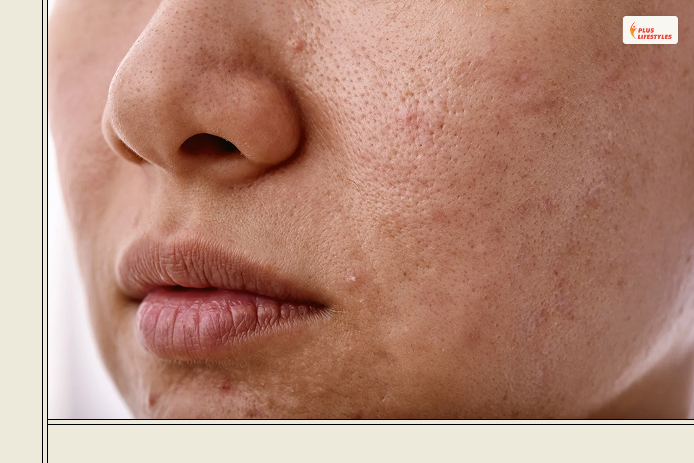
Combination skin has an oily T-zone. This zone includes your forehead, nose, and chin. These areas contain many active oil glands.
However, your cheeks stay normal or dry. This happens because your cheeks produce far less oil. Here’s the perfect night skin care routine for this skin type:
Step 1 (Cleanse)
First, use a mild, pH-balanced gel cleanser. This product removes excess oil from your T-zone effectively. Most importantly, it cleanses without drying out your cheeks.
Step 2 (Treat)
Next, I highly recommend the “Zonal Application” method. My mother (who has combination skin) applies a lightweight Salicylic Acid (BHA) fluid strictly to her oily T-zone.
This targeted step quickly prevents blackheads. Afterwards, she pats a hydrating Niacinamide or Hyaluronic Acid serum over her entire face.
Step 3 (Seal)
Finally, choose a lightweight lotion or emulsion instead of a heavy cream. First, layer a slightly thicker amount directly onto your dry cheeks. Then, take the tiny bit of leftover product on your fingers. Gently pat it over your T-zone to finish.
3. The Sensitive And Reactive Skin Routine (The Calming Method)
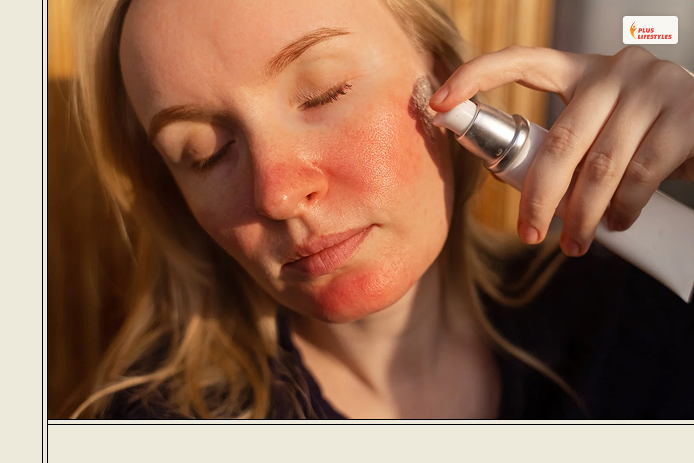
Sensitive skin has a highly reactive immune system. It’s a completely different game altogether!
It overreacts to minor substances that touch the skin barrier. For instance, urban pollution, synthetic perfumes, and daily stress all trigger this harsh reaction.
Step 1 (Cleanse)
First, soak a soft cotton pad in fragrance-free, soap-free Micellar Water. Then, wipe it gently across my face. This step easily lifts away daily dirt and makeup. Most importantly, it prevents the rough friction of heavy scrubbing.
Step 2 (Treat)
Next, completely avoid strong synthetic chemical acids. Instead, choose gentle plant-based alternatives like Centella Asiatica (Cica) or Bakuchiol.
Bakuchiol serves as an ultra-mild substitute for retinol. Meanwhile, Cica quickly fades redness and actively calms skin inflammation pathways.
Step 3 (Seal)
Finally, apply a simple, hypoallergenic barrier cream. My friends with sensitive skin choose formulas packed with Panthenol (Vitamin B5) and Allantoin.
Furthermore, you should always read the ingredient label carefully. This is something that ensures the product contains zero essential oils, synthetic dyes, or drying alcohols.
My High-Utility Lifestyle Time Hacks for Busy Women

Efficiency is the only way I manage to ensure consistency in my life. Therefore, I use these three practical workflow hacks to integrate my night skincare seamlessly into my frantic schedule:
The 60-Second Rule:
Rather than rushing my wash, I massage the cleanser into my skin for a full 60 seconds.
This choice gives water-soluble and oil-soluble active ingredients adequate time to break down surface debris.
Thus, I turn my basic washing step into a highly efficient mini-treatment.
The Skin Cycling Protocol:
I never layer five serums at once because it causes chemical instability and wastes money. Instead, I implement a 4-night rotation cycle.
- Night 1: Exfoliate with Glycolic or Salicylic acid.
- Night 2: Apply a retinoid for cellular turnover.
- Nights 3 and 4: Focus on recovery with zero actives and purely barrier-repairing ceramides.
This rotation cuts down my nightly step count and prevents ingredient irritation.
The Bedside Table Strategy:
I have eliminated the “too tired to go to the bathroom” excuse entirely. I stash my non-rinse items directly in my nightstand drawer.
This includes a leave-on lip mask, a nourishing hand cream, and my overnight acne spot stickers. Even if I collapse into bed exhausted, I can still execute my final moisturizing steps passively.
Wellness Add-Ons (How I Connect My Lifestyle And Skin)

My skincare does not stop at topical products. In fact, I make sure my lifestyle actively supports my body’s nocturnal repair mechanisms:
How I Lower Cortisol to Stop Breakouts
High stress spikes cortisol levels in our body. This hormone directly forces oil glands to produce excess grease.
Therefore, I take three deep belly breaths while applying my final moisturizer. This simple habit quickly switches my nervous system from “fight-or-flight” to rest-and-repair mode.
My Silk Pillowcase Hack
Standard cotton pillowcases absorb natural moisture directly from my skin. They also create harsh friction against my face.
Instead, I use a 100% mulberry silk pillowcase.
Silk provides a smooth, frictionless surface. This change prevents early sleep lines and stops the bacteria buildup that causes acne.
The “Beauty Sleep” Window
Our skin heals and repairs itself mostly between 11:00 PM and 2:00 AM. Consequently, I regularly aim for 7 to 8 hours of sleep.
This vital window allows my body to flush out cellular toxins. It also helps my night skincare products work much better.
My Summary Checklist For The Busy Millennial Woman
To keep things perfectly actionable, here is the quick-reference guide I copy directly into my phone notes:
- Cleanse: Wash for 60 seconds with a skin-type-specific cleanser. I use BHA for my oily skin and suggest milk cleansers for dry skin.
- Treat: Apply one targeted active serum based on my daily Skin Cycle. Choose Niacinamide, Retinol, or Hyaluronic Acid.
- Seal: Lock it all in with a non-comedogenic gel or barrier cream.
- Optimize: Sleep on a silk pillowcase, take three deep breaths, and aim to be asleep by 11:00 PM.
In conclusion, consistency beats complexity every single time for me. A simple, science-backed 3-step routine done every night yields far better results for my skin than an extravagant 10-step routine done only once a week.