
We live in a world of curated digital lives and shifting cultural norms. Because of this, a quiet revolution is happening right on our screens.
I often view our search engines as modern confessionals.
When people are alone with their thoughts, their search queries reveal what they are truly grappling with. Over the last few years, I tracked digital trend data.
I noticed a massive, unprecedented spike in searches about selfhood and sexual orientation. This trend has created a fascinating cultural pattern. I call it the “identity search surge.”
At the absolute center of this shift sits one core, driving question: what is gender queer?
Standard medical sites like WebMD offer basic, clinical definitions. They treat the term like a simple dictionary entry. However, they usually miss the deeper psychological reality.
They ignore the cultural weight behind the words.
True identity exploration does not happen in a bubble. It impacts how a person navigates everyday adult life – from opening a bank account to securing their real estate, property, and will.
Through my work analyzing wellness, public opinion, and culture, I realized something important. This search surge is not a passing internet fad. It is not a temporary aesthetic trend.
Instead, it shows a deep human drive to find clear language for who we are inside. As a lifestyle journalist and trend analyst, I believe this shift is completely changing how we understand our internal worlds.
What Is Gender Queer?
To understand this psychological surge, we must first define our terms clearly. We need to do this without overcomplicating them.
Genderqueer is a gender identity that exists completely outside, between, or beyond the traditional male-female binary.
In my historical research, I found that the term is not as new as some people think. Activist and writer Marilyn Roxie notes that the term emerged notably in the 1990s.
It grew within queer activist circles. It was intentionally created to challenge rigid, binary societal expectations.
Medical and mainstream platforms often use “genderqueer” and “non-binary” interchangeably [Source: Medical News Today]. However, my analysis of the cultural landscape shows a difference.
They carry very different psychological undertones:
- Non-Binary: This term acts as a broad structural umbrella. It covers any identity that is not strictly male or female.
- Genderqueer: This term carries a rebellious, fluid, and inherently political meaning. It actively rejects and disrupts traditional gender rules.
Decoding The Search Surge: The Big Trends
When I look at the sudden jump in digital queries, I see a massive movement. It is backed by startling numbers.
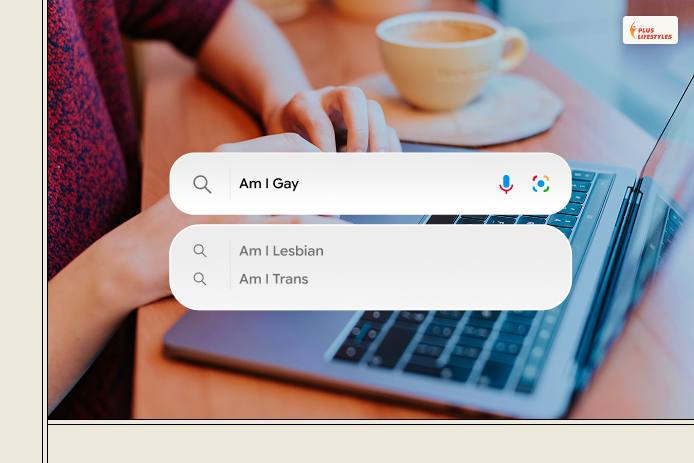
According to a landmark data analysis by the Cultural Currents Institute, Google searches by users questioning their own sexuality and gender identity have skyrocketed.
Phrases like “Am I gay,” “Am I lesbian,” and “Am I trans” have increased by an incredible 1,300% since 2004.
Interestingly, the data shows that the highest search volumes for these deeply personal questions do not just come from progressive coastal hubs.
Utah emerged as the top state for phrases like “Am I gay” and “Am I trans.” Similarly, Oklahoma, West Virginia, Mississippi, and Louisiana topped the charts for the phrase “How to come out.”
When I look at this data through a psychological lens, a clear picture emerges. Many of these states rank low on LGBTQ+ equality indexes. They maintain traditionally conservative social values.
This pattern indicates a massive underlying questioning of identity among internet users. It is directly driven by intense internal friction. This friction happens between personal feelings and rigid societal expectations.
If The World Around Me Is Expanding, Can I Expand Too?
The internet has become a private, anonymous sanctuary. People can seek self-actualization here when their public surroundings offer no room to breathe.
To make this internal psychological journey easy to understand, I map the experience into three distinct phases:
| Phase | Name | What Happens | The Psychological Outcome |
| Phase 1 | Internal Friction | A person feels trapped or limited by strict male and female boxes. | Initial discomfort and stress caused by rigid societal expectations. |
| Phase 2 | The Search Surge | The individual actively types questions into search engines to find language and community. | An active, private pursuit of validation, anonymity, and clarity. |
| Phase 3 | Self-Concept Clarity | The person successfully aligns their internal self with their external life. | Achieving true gender euphoria and a sense of authentic living. |
Sociologists often track this surge to gradual changes in official government documentation. Over the years, public health organizations have slowly updated how they collect gender data.
I believe this institutional validation changes individual psychology. It prompts everyday internet users to ask themselves a big question: If the world around me is expanding, can I expand too?
The Debate Between Social Performance vs. Mental Health Development
To truly understand why these identity searches are skyrocketing, I regularly dive into clinical psychology and modern sociology research. When you look at the data, the whole phenomenon breaks down into two really fascinating academic viewpoints.
Social Performance
First, let’s look at what sociologists call the Sociological Lens. This perspective builds on a classic framework by researchers West and Zimmerman titled “Doing Gender” (1987).
Essentially, their work proves that society forces us to perform our gender roles every single day. We do this through our clothing. We do this through our body language and even the way we speak. [Source: University of Glasgow, JSTOR]
When I synthesize this concept with modern trends, the takeaway is clear. The current search surge is a completely natural psychological reaction.
People are typing these questions into Google because our old, rigid societal scripts are finally starting to break down. This shift is giving everyone room to breathe.
Mental Health Development
On the other side of the coin, we have the Developmental Lens. This viewpoint focuses on modern, long-term psychiatric studies. These studies track actual mental health outcomes over time.
I love this data because it completely flips old medical models on their head.
For decades, outdated institutions treated identity exploration as a problem. They viewed it as a delusion or a temporary phase to be fixed.
Instead, the latest evidence shows that exploring a fluid identity actually leads to excellent long-term mental stability. It builds high self-esteem.
The only major requirement? The person needs a supportive, affirming environment to thrive.
Lived Experience: The Beauty Of Ambiguity
While academic theories are essential, my work always prioritizes real human voices. As it should! And when I study community spaces, like online genderqueer forums, I find that real-world experiences add a beautiful layer of nuance.
This is the kind of nuance that textbooks often ignore.
For instance, I frequently see people celebrating a unique fact. The word “genderqueer” is intentionally left open to interpretation. Its power lies in its lack of strict rules. It serves as a low-stakes psychological sandbox.
It gives individuals complete permission to play with identity. They can experiment with expression and gender performance without forcing a binary medical transition. Therefore, they do not have to pick a permanent label right away.
Furthermore, identifying as genderqueer does not mean someone has to completely reject their biological traits or physical body.
I recall a poignant discussion on the Reddit forum r/genderqueer from an individual assigned female at birth (AFAB). They explained that they loved their physical femininity. However, they also deeply connected with their masculine side.
They felt that traditional terms forced them to choose a side. In contrast, “genderqueer” provided the exact mix they needed.
It validates the desire to hold onto aspects of your birth gender while fully honoring your expansive self. Additionally, it allows you to exist comfortably in the middle. It removes the pressure of picking a single box.
The Cultural Angle: “Identity Layering” And Symbolism
As a trend analyst, I always look for what comes next. Consequently, I believe the future of identity exploration centers around a concept I call identity layering.
My research into digital culture shows that younger generations do not view labels as permanent, unchangeable boxes. Instead, they see them as flexible choices.
Social media algorithms expose us to many different viewpoints. Because of this, young adults easily navigate multiple subcultures, aesthetics, and styles at the same time. In this environment, identifying as genderqueer is rarely about finding a static new label.
On the contrary, it is about embracing personal freedom. It gives people the right to change and grow. It allows them to walk away from societal expectations whenever they want.
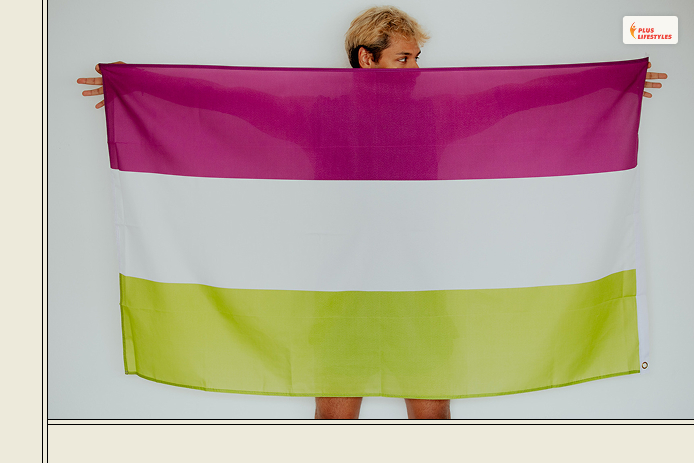
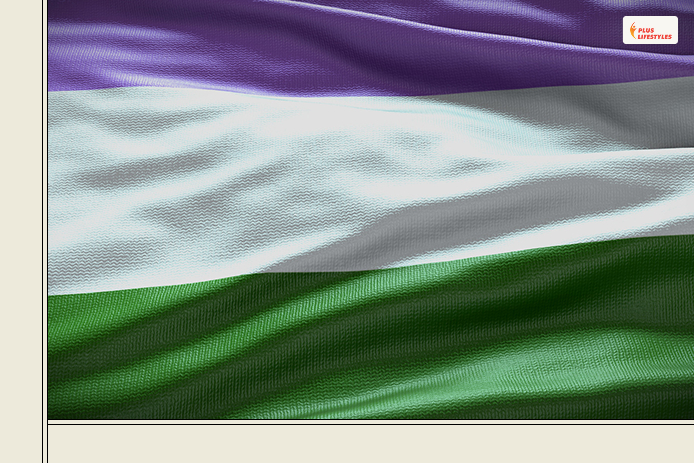
This celebration of fluidity is perfectly captured by the history of the genderqueer pride flag. Marilyn Roxie designed this flag in 2011. The flag uses three simple, distinct horizontal stripes. They visually map out the entire psychological spectrum:
- Lavender: A mix of traditional blue and pink. It represents androgyny and the historical “queer” identity.
- White: This stripe symbolizes gender-neutrality, non-binary experiences, or the concept of agender.
- Green: This color represents those whose identities fall completely outside the traditional binary framework altogether.
Understanding What Is Gender Queer And How To Be An Ally
If you are a content creator, a manager, or a supportive friend, learning the definition is just your first step. True wellness requires community safety.
Also, if you want a great visual guide to help you understand these concepts, I highly recommend looking up a famous educational tool called the Gender Unicorn.
This graphic is fantastic because it clearly shows that a person’s internal identity, their outward style, and who they love are entirely separate spectrums. I have spoken about it at length in my previous blog – check that out!
Additionally, using that as the foundation, I recommend using these simple, evidence-based steps to support genderqueer people every day:
- Share Pronouns Early: Introduce yourself with your pronouns in meetings and social settings. This small step makes others feel safe.
- Separate Anatomy from Identity: Remember that a person’s clothes, name, or body shape do not dictate their internal gender identity.
- Accept Natural Changes: Give the people in your life the psychological space to change their names or pronouns without judging them.
Ultimately, the digital search surge shows us a vital truth. The human experience is too big for just two choices.
When we welcome complexity, we reduce stress. We collectively build a healthier culture for everyone.