
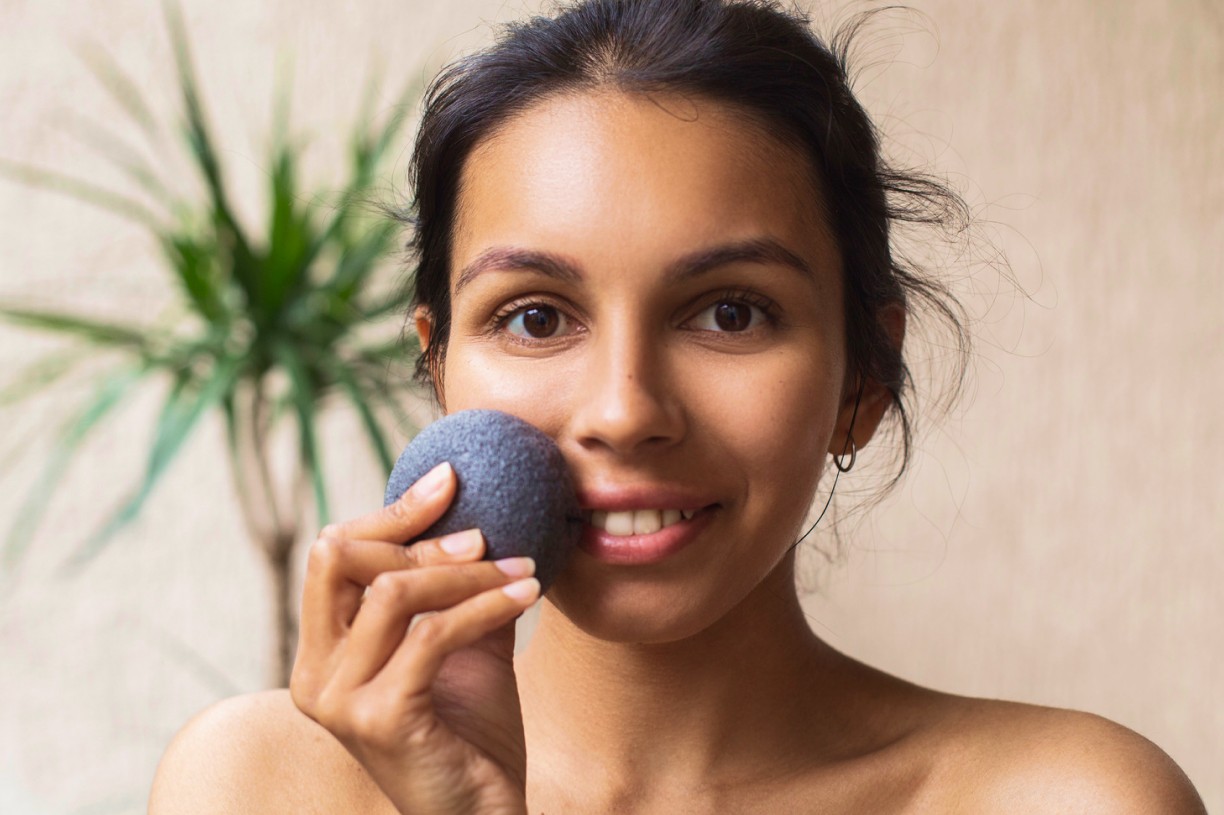
| Quick Answer Konjac sponge is a gentle plant-based cleansing pad prepared from konjac roots. It can be used for mild cleansing and exfoliating purposes, and the skin will thank you for it with no abrasive scrub or brushing action involved. The truth is that it’s so mild that one can use it daily on most skin types, even sensitive skin. But, in between using it, it needs to be sufficiently dried. Otherwise, particularly in a moist climate, it will become exactly the bacteria problem it is supposed to help a person to avoid. |
I picked up my first konjac sponge purely because it was cheap. And because every skincare page I had seen made it sound like a miracle product. Literally.
What I didn’t expect was how much of the advice out there just doesn’t hold up once you factor in actual Indian weather.
A sponge that’s supposed to air-dry between uses does something very different in June humidity than it does in a dry European bathroom, and almost nothing I read mentioned that.
What Is A Konjac Sponge?
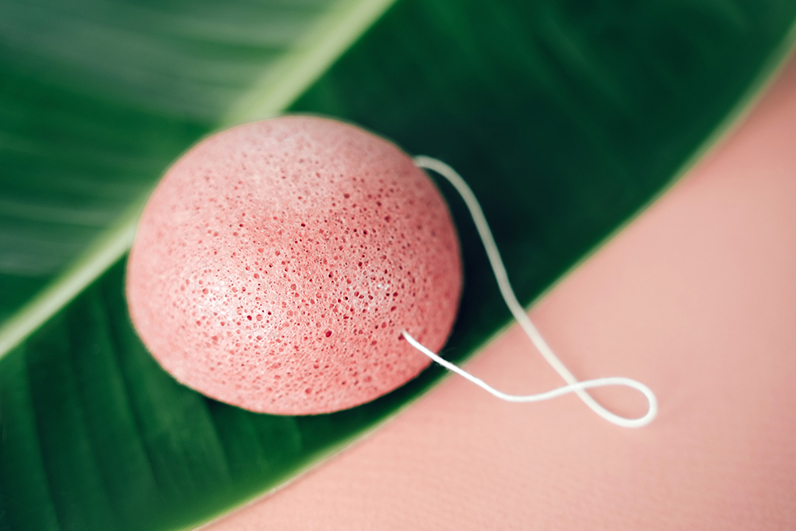
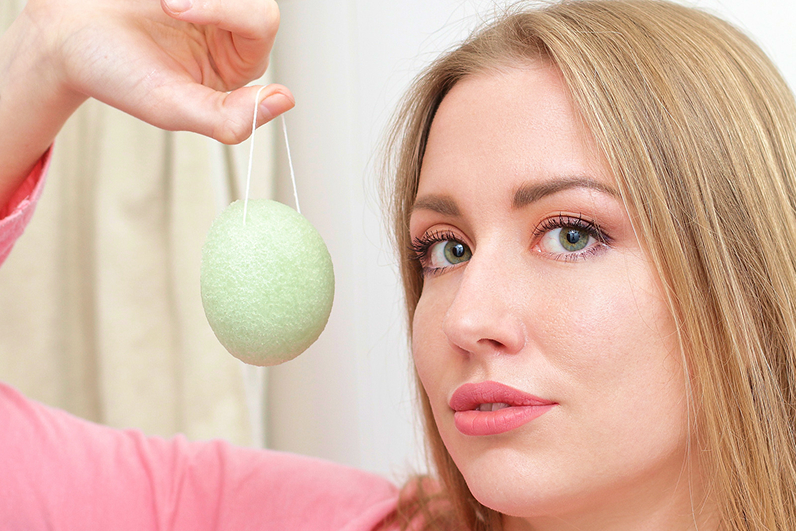
The konjac sponge comes from the fibrous root of the konjac plant – a perennial species that grows wild all across Asia. Manufacturers mix the root powder with water and a little calcium hydroxide, then mold it into that familiar sponge shape. [Source: Eco-Bite]
It starts out completely hard and feels a bit rubbery. However, it quickly becomes soft and squashy like a traditional sponge. You just need to soak it under running water for about 30 seconds.
You can use the sponge by itself as a cleanser and gentle exfoliator, or pair it with your favorite face wash. The surface is incredibly smooth. Unlike harsh scrubs and brushes that leave your skin raw and irritated, this sponge will never scratch your skin. [Source: Healthline]
What It Actually Does For Your Skin
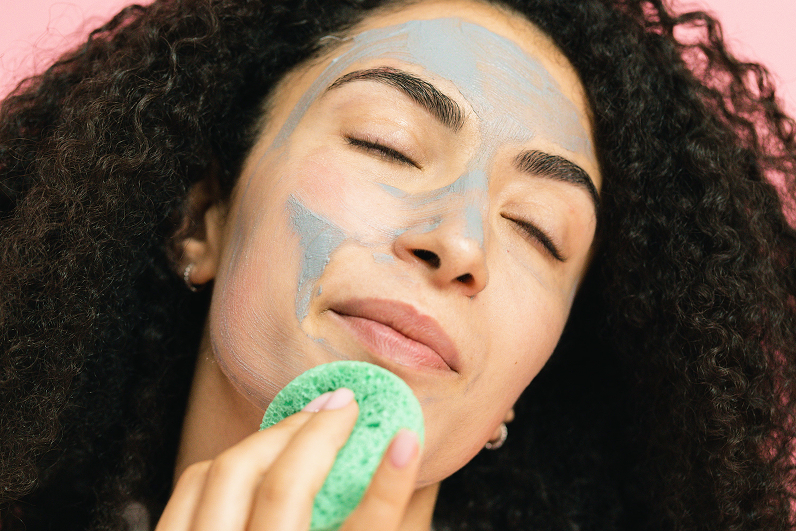
Using a konjac sponge in gentle circular motions clears away dead skin cells, makeup, and surface dirt way better than just splashing water on your face.
Compared to other exfoliators, it works beautifully to lift away the dead cells that leave your skin feeling dry, rough, and tight. Plus, it is completely safe and won’t leave your skin red and irritated after use.
Let’s clear up one major myth right now: konjac has absolutely nothing to do with weight loss or detoxing in skincare.
People get confused because some health supplements use konjac fibers (glucomannan) for dieting. That’s a completely different use of the plant.
When it comes to your face, it is just a fantastic, simple cleanser.
Rubbing a konjac sponge on your face does nothing for weight loss or “detoxing” in any measurable sense – that claim belongs to the edible form of the ingredient, not the sponge sitting in your shower.
Can I Use It Every Day?
Yes, totally. This works great for almost every skin type. The product is so subtle that you probably can apply it up to twice a day – first thing in the morning and right before bed.
Yet, it would help if you paid attention in case your skin is very sensitive or if you are using retinol or other strong ingredients already.
I mean, you get the point. If that were you, just go to see a dermatologist or skincare expert and ask them to evaluate your condition first.
Is It Better Than A Washcloth?
In terms of hygiene, yes. A Konjac sponge is much better than your regular washcloth. And that’s mainly because konjac sponges dry faster than cloth.
This is something that limits bacterial growth between uses, provided you’re actually hanging it to dry properly.
On the other hand, a washcloth left damp in a humid bathroom is arguably worse for exactly the same reason a poorly stored sponge is.
Can I Use It On My Body Too, Not Just My Face?
A konjac sponge makes an excellent choice for areas that are rough and seldom cleaned – elbows or tops of the arms, for example.
One thing though – you can’t use it on both face and body without it being rinsed well. If you skip that step, think of your face being painted with your body’s oils, sweat, and makeup.
Does It Work For Blackheads?
It helps, somewhat, by keeping pores clearer through regular gentle exfoliation. But if I have to be completely honest, it’s not a targeted treatment. Don’t expect it to replace a proper blackhead-focused routine if that’s your main concern.
Why Climate Actually Matters Here
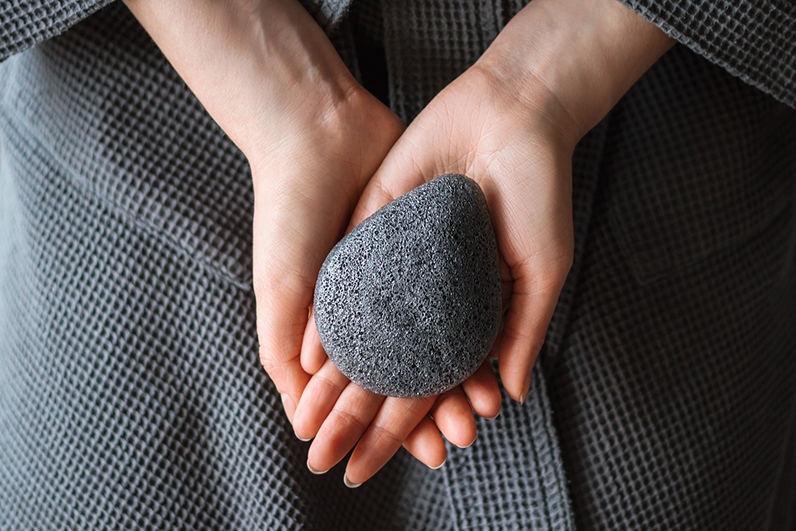
This is where almost every guide I found falls short, and it’s the biggest gap worth addressing directly.
Konjac sponges are near-entirely water and natural fiber. Which means they’re genuinely prone to mold and bacteria if they don’t dry out properly between uses.
In a dry climate, that’s a minor concern.
However, in most parts of India – especially during monsoon or in humid coastal cities – a sponge left in a damp bathroom stays wet all day long. That creates the exact environment mold needs to thrive.
Always hang your sponge somewhere with real ventilation. Never leave it sitting in a soap dish or a shower caddy. Water just pools there and never drains. Simply putting up a small hook near a window or a fan makes a massive difference.
The second it gets that “off” smell or feels slimy instead of just soft, that is your ultimate red flag. Replace it immediately with no excuses, even if you don’t have a backup ready at home.
How Long It Actually Lasts
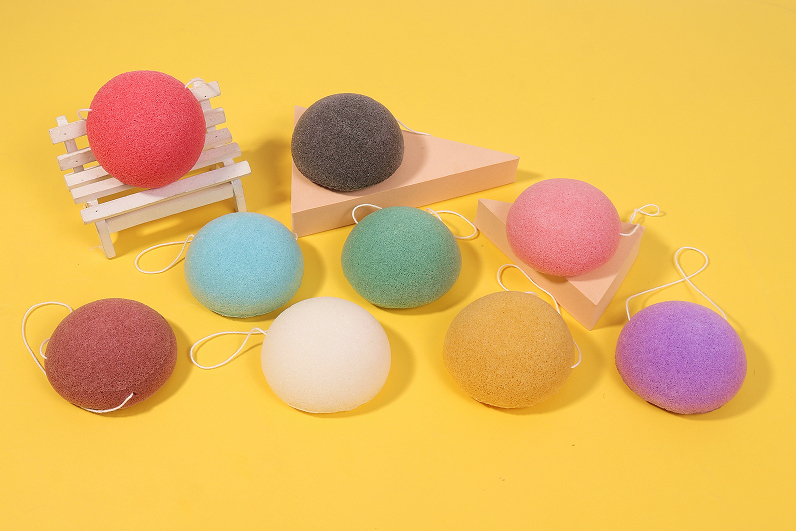
Most sources that I read online say a konjac sponge lasts four to eight weeks with regular use. However, let me tell you the truth – the real lifespan depends entirely on how well you dry and store it.
If you live in a warm, humid region, stick close to that minimum use period. Do not try to stretch it out. The exact same moisture that makes the sponge soft also breaks it down and invites bacteria faster. [Source: Seek Bamboo]
An unopened, unused sponge keeps its shelf life way better in storage. Buying a few spares is actually a smart move. It saves you the hassle of ordering online or running down to the shop every single time you need a fresh one.
Fitting It Into A Broader Routine
A konjac sponge can be great as a small, daily habit that you naturally incorporate into your overall self-care routine. If you have a solid self-care ritual already that your konjac will fit in as just another step in your cleansing routine.
You apply the konjac sponge right before serums or moisturizer. This is similar to how I used to add a gua sha stone in my evening routine without actually thinking of it as a chore anymore.
Are you upgrading your nighttime routine right now? A konjac sponge is a low-effort thing you can add, and it’s definitely worth trying out before you purchase something more expensive.
If you are the type of person who uses a magnifying mirror seriously during your daily skincare routine, then you will definitely love this product. Using a non-abrasive method of gentle exfoliation at night cuts your mirror time a lot the next morning.
Worth Extending To Your Feet Too
Here is a secret people rarely share: using a gentle hand scrub works wonders for your feet too. It is ideal for those softer, non-callused areas where a pumice stone feels way too scratchy and rough.
Of course, do not expect it to replace a proper callus care routine. That is a completely different challenge. Still, it makes a fantastic, gentle addition to your routine when you just want a little at-home pampering instead of a full-blown treatment.
Want more ideas for your foot care routine? Combine this tip with my previous guide on how to do a pedicure at home. Or, if you need real treatment for tough calluses rather than just general softening, look into something heavy-duty like a Russian pedicure.
My Verdict: Is Konjac Sponge Worth The Hype?
In my opinion, a konjac sponge can be considered quite a good and very affordable little helper in your skincare routine.
Still, most of the online sources just overlook what is really responsible for that item’s failure or success – how well it is being dried after each use.
When you get that wrong, you are actually creating a serious hygiene problem.
So my advice: get that drying part right. Then, simply replace the sponge the second it starts to smell or feel off, instead of sticking to some arbitrary week count. Do that, and you have one of the simplest upgrades you can make to a basic cleansing routine.