
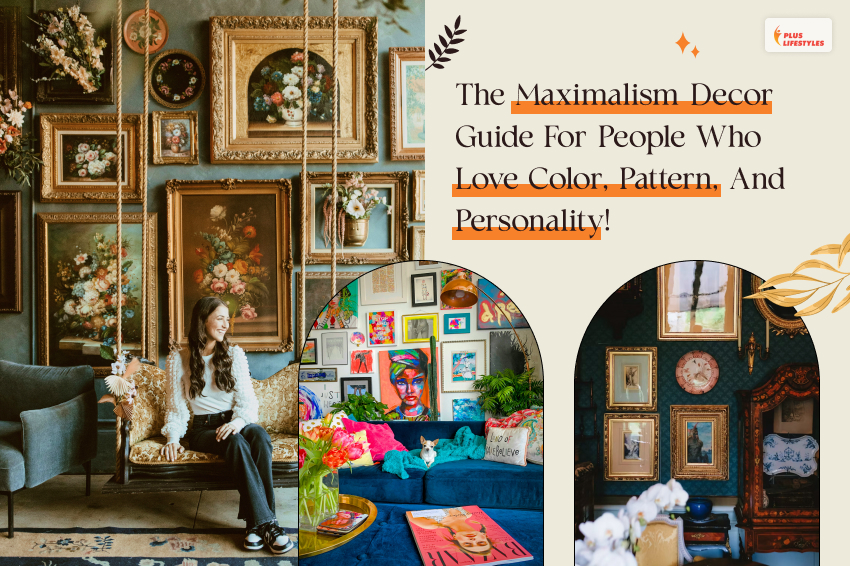
| Quick Answer: Maximalism decor embraces the idea that “more is more.” You mix bright colors, diverse prints, and layered materials for a bold look. Unlike clutter, you intentionally arrange these items to showcase your individuality. Use gallery walls, velvet fabrics, and elaborate accents. This approach crafts a layered, personal space full of stories. |
I grew up in a house where every shelf had something on it, every wall had a story attached to a photo or painting, and nothing matched on purpose. For years, when minimalism was everywhere online, I tried to force myself into that quieter mold.
It never stuck.
The moment I stopped fighting it and leaned into maximalism decor instead, my apartment finally started to feel like an actual reflection of me rather than a Pinterest board I was borrowing.
If you’ve ever felt like a stark, empty room makes you feel more anxious than calm, this piece is for you.
What Maximalism Decor Actually Is
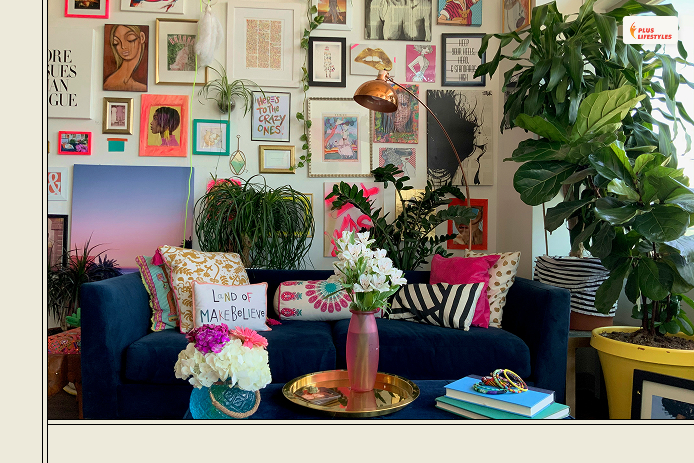
People often view maximalist design as just a heap of things. However, that view is a misconception.
In fact, maximalism delivers the exact opposite of minimalist design. It celebrates the art of living with many objects. This specific style embraces vibrant colors, various textures, and a rich mix of elements.
The best maximalist spaces aren’t random.
They’re built around a thread that ties everything together, whether that’s a consistent color palette, a shared era of furniture, or simply a personal collection displayed with intention.
Maximalism decor rewards curiosity and personality in a way that more restrained styles sometimes don’t.
Maximalism Decor Versus Clutter
This is the distinction people get wrong most often, and it’s the one I had to learn myself. Clutter is unintentional – things piling up without thought.
Maximalism decor is the opposite: it’s deliberate abundance, where every object earns its place even if the overall effect is “more.”
A messy shelf holds random mail and long-forgotten receipts. It also accumulates various odds and ends.
In contrast, a maximalist shelf possesses a completely different spirit. This style displays books sorted neatly by color. It showcases a tiny collection of ceramic pieces from your travels. It also holds meaningful items that you choose to keep.
Look closely at both shelves. You will notice they share a similar size. However, the intentional idea behind the arrangement completely separates them.
Why I Was Drawn Back To It
I spent about a year trying to live in a pared-back, mostly neutral apartment because it felt like the “correct” way to decorate as an adult with good taste.
It looked fine in photos and felt oddly empty in person. I missed color. I missed walking into a room and feeling something immediately.
Going back to maximalism decor wasn’t really a design decision – it was closer to relief. I started bringing back the things I’d packed away:
- a gallery of art from artist friends,
- textiles in colors I actually love,
- furniture with some history to it rather than anything matched or new.
The room got louder, and somehow that made it feel calmer to be in.
The Building Blocks Of Maximalism Decor
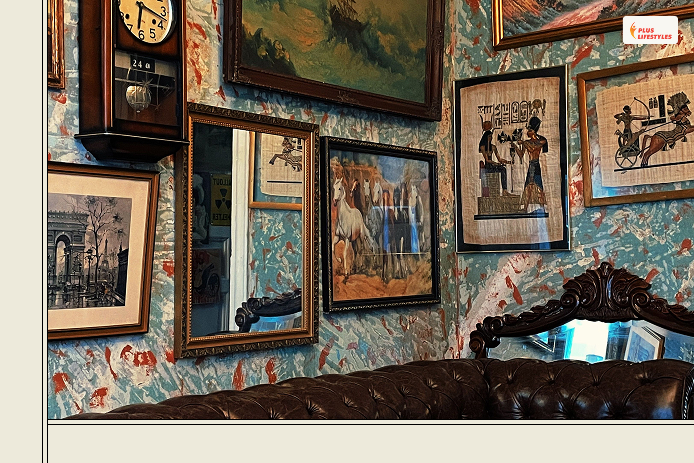
If you want to try this in your own space, a few core elements do most of the heavy lifting.
Layered Pattern
Mixing florals, stripes, and geometric prints in the same space is a hallmark of maximalism decor – the trick is keeping a shared color thread so the patterns feel related rather than random.
Rich, Saturated Color
Deep jewel tones, warm terracottas, and bold contrast are far more common here than the muted neutrals you’d see in something like minimalist home decor.
Collected Objects Over Matched Sets
Furniture and decor gathered over time – thrifted, inherited, souvenired – read as far more authentic than anything bought as a coordinated set.
Gallery-Style Walls
Dense, layered wall arrangements are one of the clearest signatures of the style, and one of the most fun parts to build.
Building A Maximalist Gallery Wall
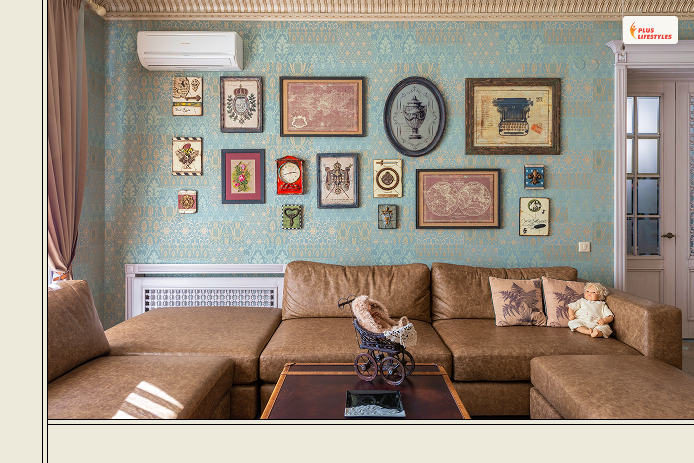
Walls are where maximalism decor really gets to show off, and it’s the area I get the most questions about.
A maximalist gallery wall can feel intimidating at first. This is especially true if you prefer restrained living room decor. However, the process is much more forgiving than it looks.
Always start by laying your pieces out on the floor. Do this step before you hang anything on the wall. Mix different frame sizes and frame colors together. You can even include a few non-frame elements. For example, add a small mirror or a woven hanging.
I built most of my gallery wall from DIY projects. I also used unique pieces collected on various trips. And yes, I avoided buying anything as a pre-made set.
Perhaps you need structured wall art ideas to fill in empty gaps. If so, mix one or two larger anchor pieces among your smaller ones. This specific technique keeps the whole wall from feeling flat.
Color: The Thread That Holds It Together
The biggest mistake people make when attempting maximalism decor for the first time is treating “more” as permission to skip a color strategy entirely.
That’s actually where a lot of maximalist rooms fall apart and start reading as chaotic rather than curated.
Pick two or three anchor colors and let everything else – patterns, art, textiles – pull from that same family.
My own apartment leans into deep greens, warm rust, and brass accents, and even when I add something new, I ask whether it fits that palette before it earns a spot in the room.
Maximalism Decor In Small Spaces
A lot of people assume maximalism decor only works in large homes with room to spare, but I’ve done it successfully in every small apartment I’ve lived in. Layering works at any scale – it’s more about density of meaning than square footage.
In small rooms, I lean harder into the walls and soft furnishings rather than adding more furniture, since floor space is limited.
Decorating a balcony offers an excellent small-area home design solution. Even a tiny outdoor spot can achieve a maximalist feel.
You simply add layers of potted plants and patterned cushions. Then, mix in a few collected objects. This styling method does not require many square feet of space.
When Maximalism Decor Isn’t The Right Fit
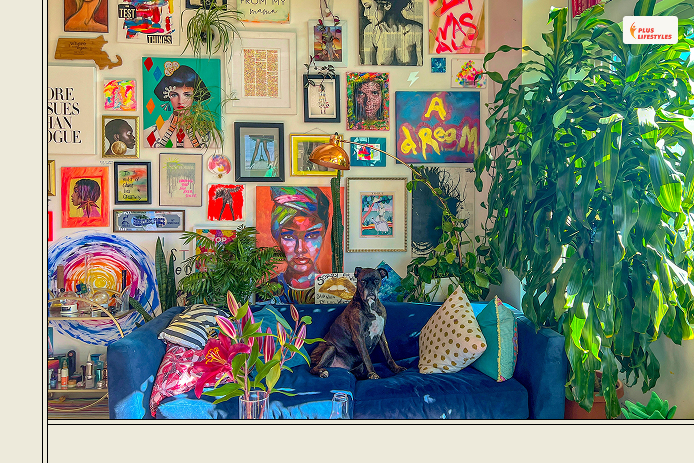
I’ll be honest – this style isn’t for everyone, and that’s fine.
If a busy room genuinely stresses you out rather than energizes you, forcing maximalism decor into your home isn’t going to make you happier in it.
Some people feel most at peace with Japandi decor’s quiet warmth, or with the clean lines of true minimalist home decor.
Others adopt the dopamine decor style. This look shares a love for color and joy with the maximalist style. However, dopamine decor feels light-hearted and highly playful. It avoids the densely packed feel of traditional maximalism.
I highly recommend looking at different room styles before you settle on one. This exploration helps you discover what works for your space. You get inspired without spending money or buying unnecessary furniture.
Doing Maximalism Decor On A Budget
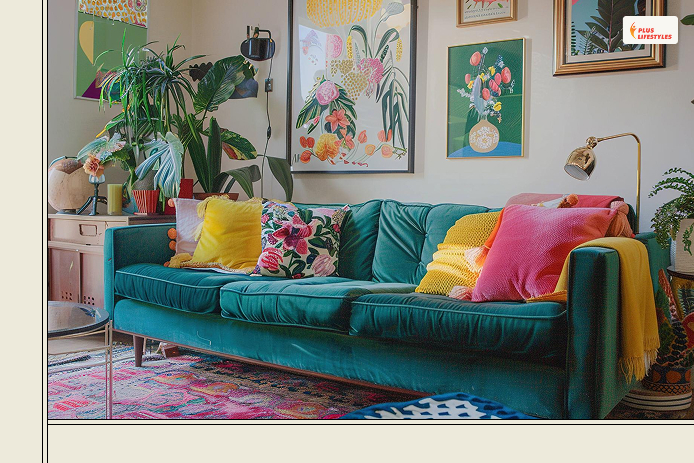
Maximalism decor has a reputation for being expensive. But you know what? In my experience, it’s often cheaper than more minimal styles.
And that’s because it thrives on thrifted, inherited, and collected pieces rather than a few “perfect” expensive items.
Secondhand shops, family hand-me-downs, and flea markets are where most of my favorite pieces have come from.
If you want the fuller framework for stretching a decorating budget across an entire home, I’ve written a separate guide on how to decorate your house on a budget that goes deeper into the planning side.
And if you’re extending the style beyond your main living spaces, the same layered, collected approach works surprisingly well in a modern bathroom too – patterned tile, a gallery of small art, and warm brass fixtures can bring the same energy into a much smaller room.
Common Mistakes When Trying Maximalism Decor
Skipping a color strategy. Without a unifying palette, “more” quickly tips into visually overwhelming rather than curated.
Buying everything at once. The best maximalist rooms are built over time, not in a single weekend shopping trip.
Ignoring negative space entirely. Even maximalism decor needs a few quiet moments in a room so the eye has somewhere to rest.
Matching instead of collecting. Coordinated furniture sets tend to undercut the collected, personal feel that makes the style work.