
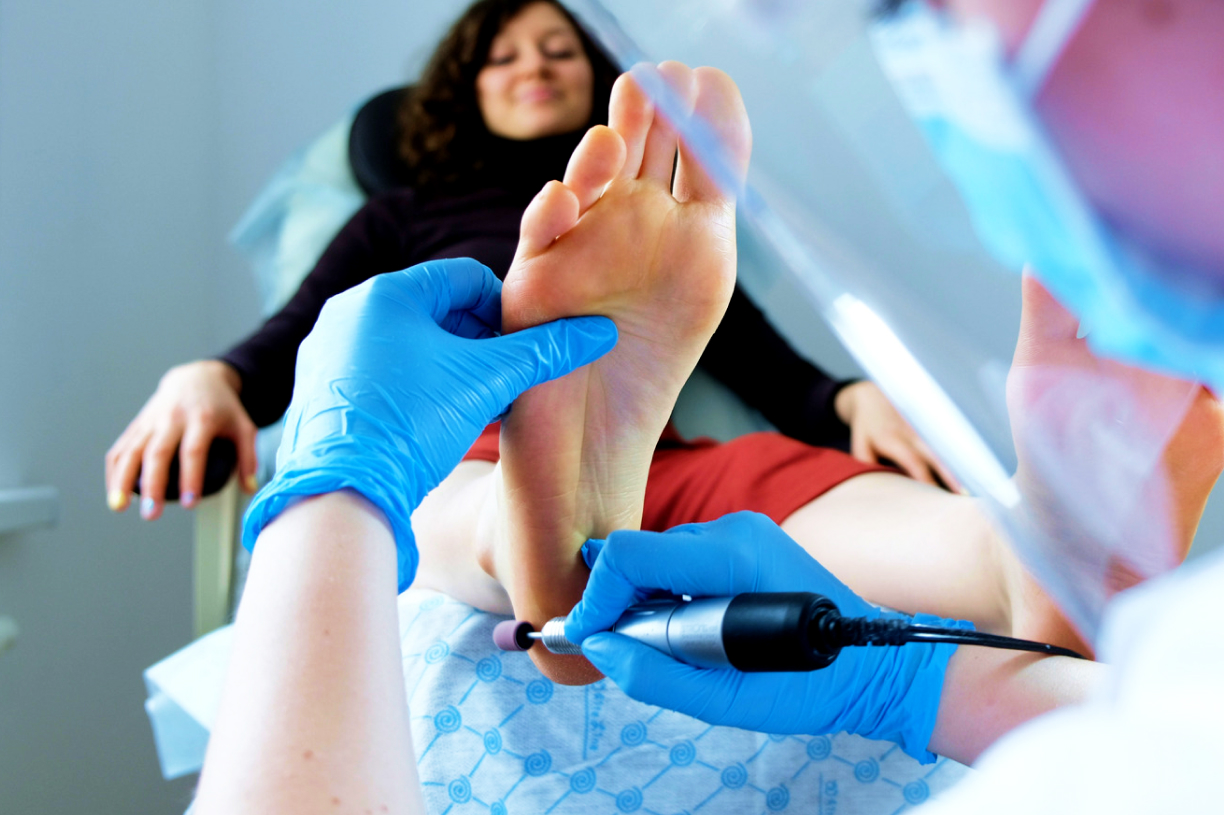
| Quick Answer A medical pedicure – or medi-pedi – is a clinical foot treatment. A trained specialist handles your feet, usually under a podiatrist’s watchful eye. They focus entirely on real health issues like fungal nails, calluses, ingrowns, and diabetic care rather than a fancy polish change. Do not confuse it with a regular salon pedicure marketed as “dry” or “medical.” In India, you will only find a genuine medical pedicure at podiatry or diabetic foot clinics. Regular nail salons simply don’t offer them, even when they steal the name for marketing. |
I booked what a salon called a “medical pedicure” last year, expecting something closer to a clinical treatment.
What I got was a slightly more careful version of a regular dry pedicure, done by a nail technician with no medical training at all.
It wasn’t a scam exactly, just a mismatch between what the word actually means and how it’s being used to sell a slightly upgraded regular service.
That gap is genuinely common. And it’s worth understanding before you book one expecting something medical and get something cosmetic instead.
What Is A Medical Pedicure?
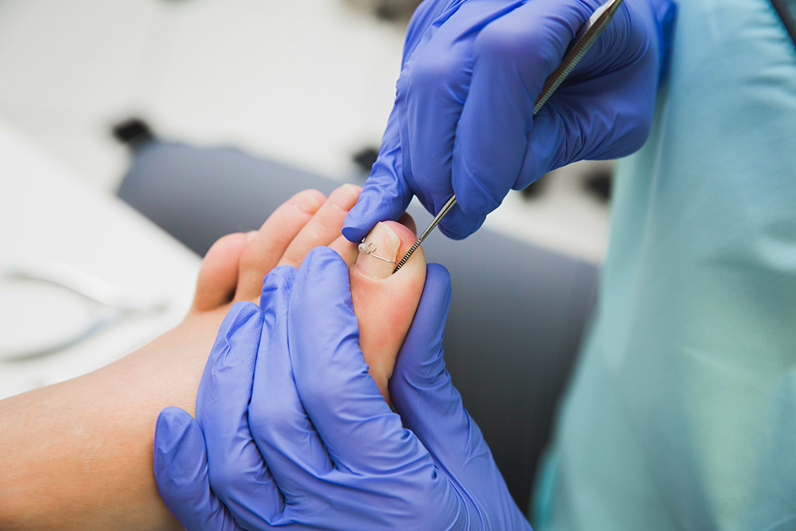
A genuine medical pedicure is built around a medical model of care, not a spa one.
According to the Cleveland Clinic, it emphasizes technician training, infection prevention, and your actual foot health, rather than relaxation or polish.
It typically starts with an assessment of your foot health, including your circulation, skin condition, and any existing issues, before any grooming happens.
From there, it addresses real problems:
- Thickened or fungal nails.
- Calluses.
- Corns.
- Cracked heels.
- Ingrown toenails.
For this, the technicians use sterile, often single-use instruments instead of a shared foot bath. Basically, no polish is really the point. However, some clinics do offer it as an optional finishing step.
The treatment is therapeutic first, cosmetic second, if at all.
Why This Matters More Than It Sounds
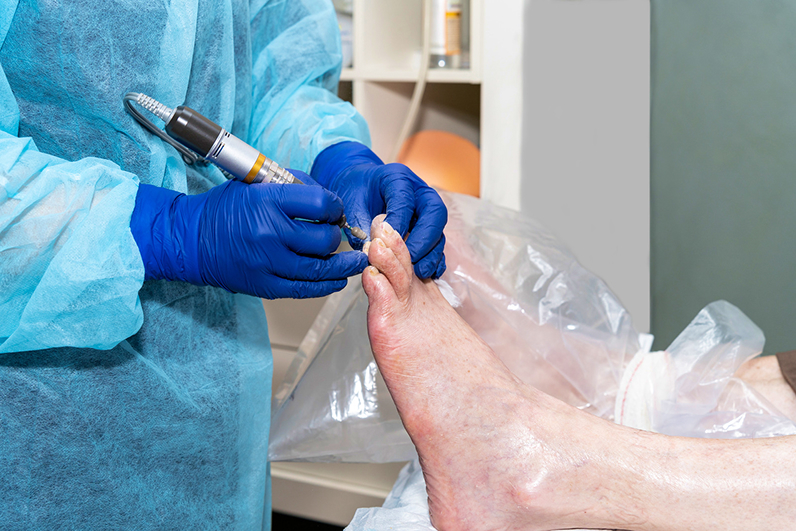
Regular pedicures carry some infection risk, even if the salon seems careful. Most of that danger hides in the foot baths and shared tools when staff doesn’t properly sterilize them between clients.
Health inspectors have traced documented cases of infections like Mycobacterium fortuitum directly back to shared pedicure tubs. This nasty bacteria absolutely thrives in poorly maintained foot spas.
This risk is significantly higher for anyone with a condition that affects circulation, sensation, or healing in the feet, diabetes being the most common example.
A genuine medical pedicure is built specifically to cut down that risk. Clinics use sterile, single-use tools for every client. Plus, the technicians are trained to spot early signs of infection or skin breakdown, instead of just working around them.
That’s the real difference.
And that is exactly what gets lost when salons use the term as a marketing label rather than an actual clinical service.
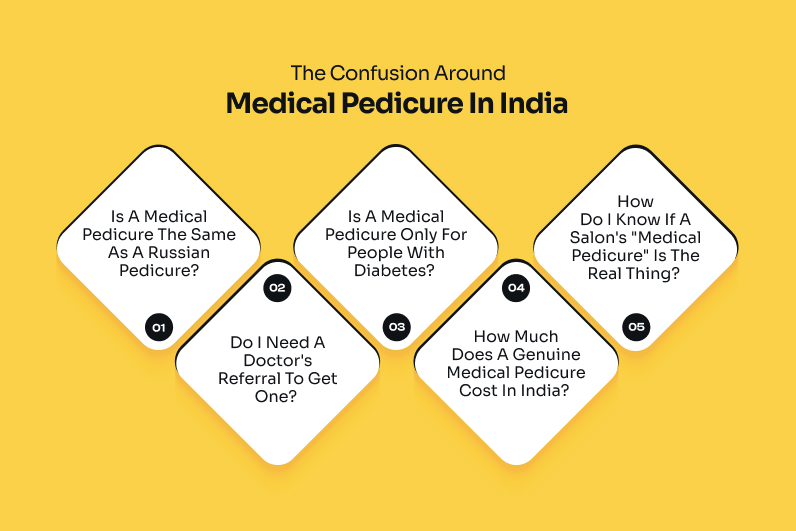
The Confusion Around Medical Pedicure In India
Here’s where most people get things wrong. In the US, there is an established podiatry-and-medi-spa industry. But guess what? Things are different for the Desis.
In India, salons often throw around the term “medical pedicure” for marketing. In reality, they are just giving you a dry or Russian-style pedicure with a little extra care. There is zero actual medical supervision or specialized training behind it.
Genuinely clinical medical pedicures do exist in India, but they’re mostly offered through podiatry clinics and diabetic foot care centers rather than salons.
If a salon is offering a “medical pedicure” without any mention of podiatric involvement, health history review, or a foot assessment beforehand, what you’re likely getting is a rebranded dry pedicure, not the clinical treatment the name implies.
That’s not necessarily a problem if you just wanted a good dry pedicure. But it does matter if you’re specifically seeking care for a real foot issue.
Is A Medical Pedicure The Same As A Russian Pedicure?
No, and this is where most of the confusion comes from. A Russian pedicure describes a technique – a dry, precise method using an electric file instead of a soak.
A medical pedicure describes the model of care and who’s providing it, including infection control standards and clinical training.
A salon can offer a Russian-style technique and call it medical without any actual podiatric involvement, which is exactly what tends to happen.
Do I Need A Doctor’s Referral To Get One?
Generally, no, though for anyone with diabetes or a diagnosed circulation issue, it’s worth discussing with your doctor first, since they may recommend a specific clinic or specialist rather than a general one.
For most people without an underlying condition, you can book directly with a podiatry or diabetic foot clinic that offers the service.
Is A Medical Pedicure Only For People With Diabetes?
No, though diabetes is the most common reason doctors recommend it.
You will benefit from this clinical approach if you deal with recurring fungal nails, stubborn ingrowns, or painful calluses and corns. Regular pedicures simply aren’t equipped to fix these issues for good.
How Much Does A Genuine Medical Pedicure Cost In India?
Prices vary wildly depending on your city and clinic. You will definitely pay more than a standard salon rate. Remember, you are paying for medical expertise and sterile tools, not a simple polish change.
Your best bet is to call a podiatry or diabetic foot clinic to check current rates directly. Prices depend heavily on what you actually need, whether that is a standard checkup or fungal nail treatment.
How Do I Know If A Salon’s “Medical Pedicure” Is The Real Thing?
Ask them directly if a podiatrist or trained specialist will handle your feet. Find out if they review your health history before touching your toes. Finally, ask exactly what sterilization protocol they use for their tools.
A genuine medical pedicure will have clear answers to all three. If the response is vague, or the “medical” label is really just describing a dry, waterless technique, you’re likely looking at a rebranded regular pedicure rather than a clinical one.
Who Actually Benefits Most From This
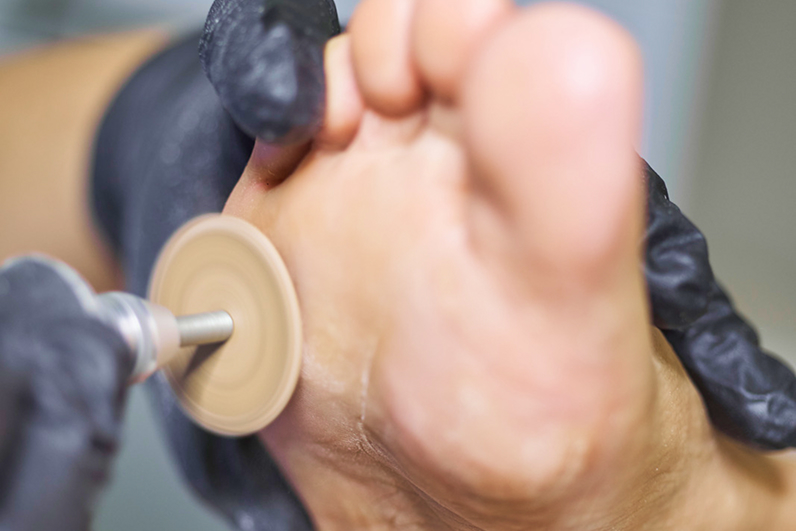
A few groups get the clearest value from a real medical pedicure rather than a regular one. This particular type of pedicure is best for anyone:
- With diabetes, given how much reduced sensation and slower healing raise the stakes of even small foot injuries.
- Dealing with recurring fungal nail infections that regular pedicures haven’t resolved.
- With painful, recurring corns or calluses, especially if they’ve worsened over time.
And anyone who’s immunocompromised, where even minor infections carry more risk than they would otherwise.
If none of that applies to you and you’re just looking for clean, well-groomed feet, a regular spa or Russian pedicure covers that perfectly well.
The medical version is solving a different problem, not a fancier version of the same one.
How This Fits Into Your Broader Foot Care
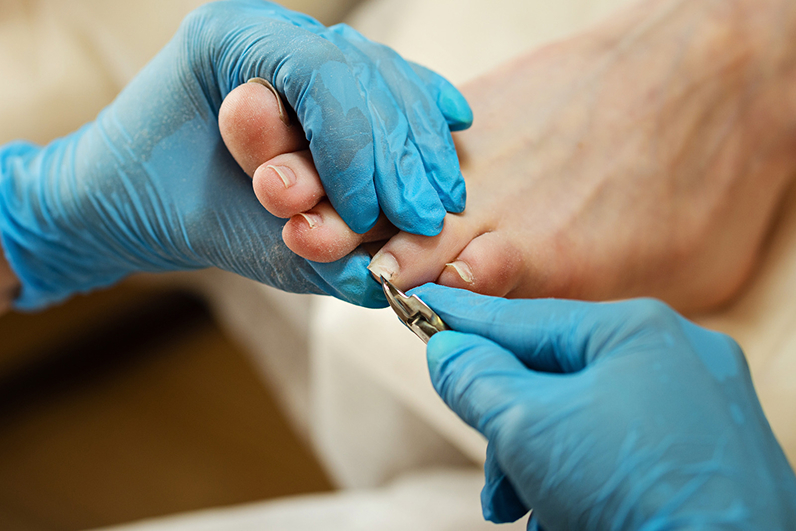
A medical pedicure isn’t a replacement for daily foot care. Rather, it’s a response to something that’s already gone past what daily habits can fix on their own.
If you’re maintaining generally healthy feet, the fuller foot care routine matters more day-to-day than any single clinical visit.
Are you trying to choose between a medical pedicure and a cosmetic one? It helps to understand the whole pedicure scene first. Marketing terms get confusing, but most salons just use variations of the same basic techniques.
Maybe you are comparing this to a Russian pedicure. Or maybe you want a French finish on top for looks. Here is the honest truth: a real medical pedicure prioritizes foot health.
Cosmetic add-ons, if offered at all, come second.
When To See A Podiatrist Instead Of Booking Any Pedicure

Some foot issues are past the point where even a genuine medical pedicure is the right first step.
Some of the signs that show you need a podiatrist visit on its own, not a pedicure appointment of any kind, are:
- A nail that’s changed color or shape suddenly.
- Any sign of spreading infection.
A medical pedicure is preventative and maintenance-focused. It’s not a substitute for treatment when something has already become a real medical issue.
My Verdict On Medical Pedicure
A medical pedicure is a genuinely useful service when it’s the real thing. And a mostly harmless but misleadingly labeled regular pedicure when it isn’t.
The label alone doesn’t tell you which one you’re getting, especially in a market where the term gets used loosely.
So, ask the right questions before booking. Know what you’re actually trying to solve. And trust me, you’ll end up with the service that actually matches what your feet need.