
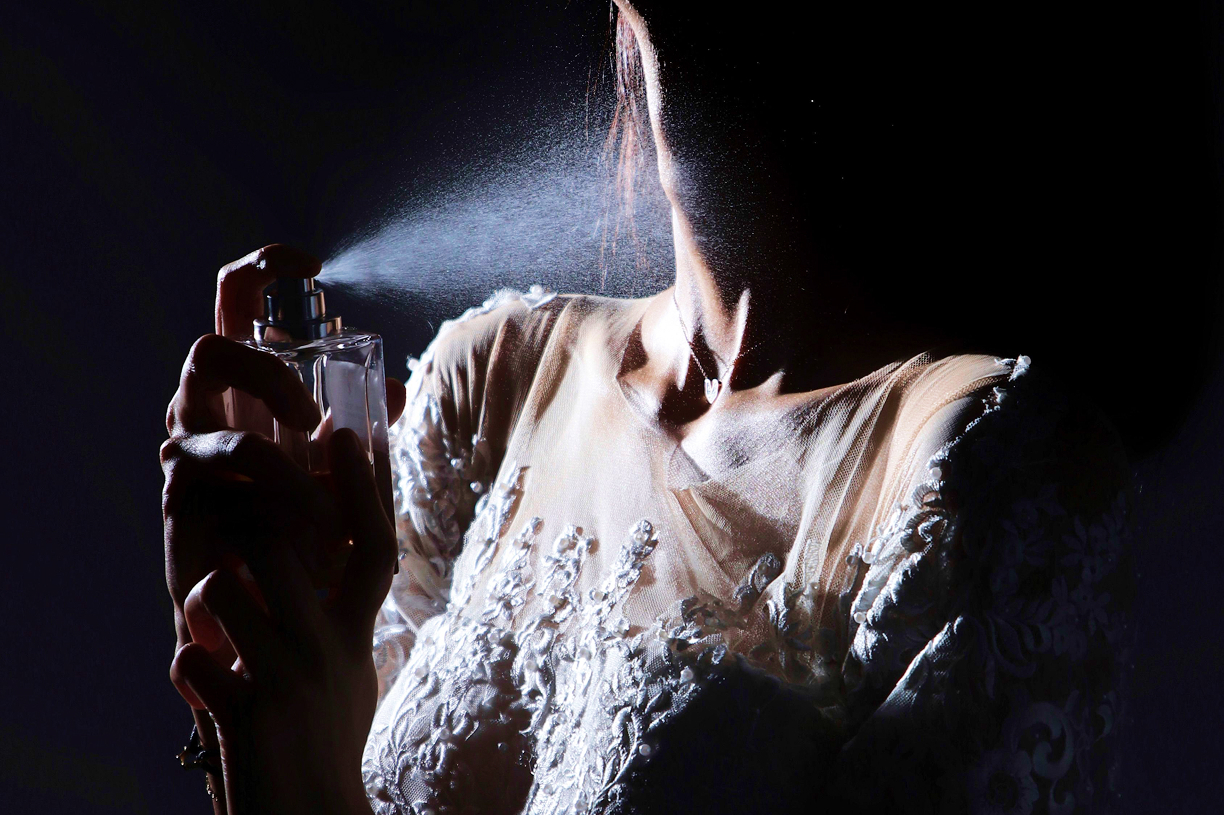
| Quick Answer: Pulse points are the warmer areas of your body – wrists, neck, behind the ears, inner elbows, behind the knees – where blood vessels sit closer to the skin’s surface. Applying perfume on pulse points uses your own body heat to diffuse the scent more effectively than spraying it on cooler areas or clothing. In India’s climate specifically, that heat advantage comes with a catch: perfume also evaporates faster here than the guides written for cooler countries usually account for. |
I used to spray perfume the way most of us are taught, wrists first, then walk out the door assuming it would hold up all day.
It didn’t, and for the longest time I blamed the perfume itself instead of realizing I was applying it exactly like someone living in a cooler, drier climate would.
Once I actually understood what pulse points for perfume are doing and adjusted for Indian summers, the same bottles started lasting noticeably longer.
What Is A Pulse Point For Perfume
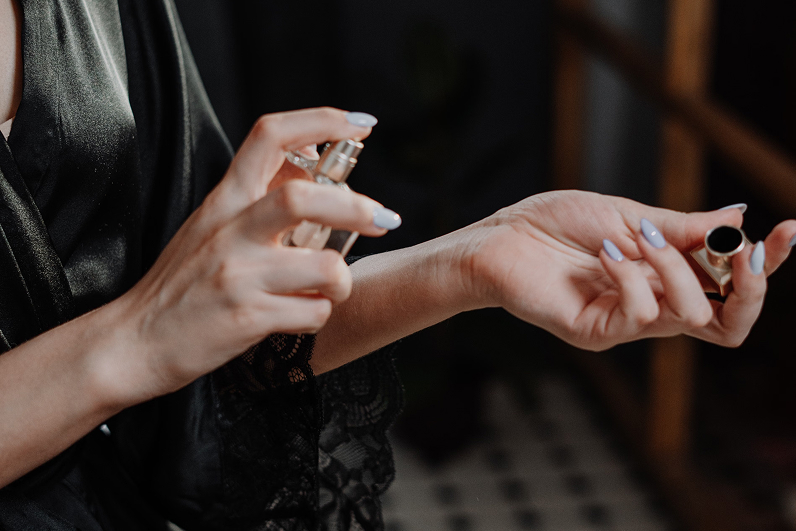
Pulse points are areas where you can feel your heartbeat because blood vessels run close to the skin. You can easily find them on your wrists, temples, and behind your ears. They also exist on the insides of your elbows and behind your knees.
These specific spots are slightly warmer than the rest of your body. This extra heat acts like a natural diffuser for perfume. It helps the fragrance molecules evaporate and spread efficiently. On cooler skin areas, the scent molecules simply get stuck and stay trapped.
Now, this entire concept of applying perfume to pulse points relies entirely on science. Perfume is only perceptible after it evaporates into the air. Therefore, pulse points for perfume were chosen specifically to maximize this physical reaction.
There is a simple chemical explanation for this process. Warmer temperatures directly increase the speed of evaporation. Evaporation is the exact mechanism that moves scent into the surrounding air. This chemical process ultimately allows both you and others to smell the fragrance.
Where To Actually Apply It
The classic pulse points for perfume work well as a starting list, but not every spot suits every context.
- Wrists are the easiest and most commonly used, mainly because they’re accessible for reapplication throughout the day.
- Neck and behind the ears project more noticeably outward, which suits an evening out better than a packed morning commute.
- Inner elbows are a quieter option, good for a subtler trail.
- Behind the knees relies on rising body heat and works best in warmer weather, which, depending on where you live in India, is most of the year.
Pick based on how much projection you actually want. A crowded local train or a small shared office cabin calls for something more restrained than a wedding or an evening out would.
Why Indian Weather Changes The Math For Pulse Point For Perfume
This is the part almost no perfume guide accounts for, since most are written from a cooler-climate perspective.
Heat doesn’t just help pulse points diffuse scent. Rather, it also speeds up how fast the alcohol and lighter top notes evaporate off your skin entirely.
In a hot, humid climate, that means a fragrance that lasts six or seven hours in a temperate country might genuinely fade in three or four here, especially in peak summer.
A few adjustments help with your pulse points for perfume. Applying to moisturized skin slows evaporation noticeably, since dry skin absorbs and releases fragrance faster than hydrated skin does.
- Using Lotion: Unscented lotion extends perfume life. Apply a light lotion before spraying your fragrance. It acts as a base layer on your skin. This canvas traps the scent to prolong its effect.
- Commute Factor: Morning commutes quickly fade fragrances. Sweat and smudging ruin perfume before you arrive at work. Your desk arrival requires a different strategy.
- Midday Refresh: Travel bottles are the best solution. A small bottle allows for easy midday touch-ups. Don’t believe people telling you that you need only one application a day.
The Rubbing Wrists Debate, Honestly
Almost every fragrance guide pounds home the same rule: don’t rub your wrists together after spraying perfume. The idea is that friction heats things up, wrecks those delicate top notes, and makes your scent fade faster. Everyone says it like it’s an absolute truth.
But when you dig into the science, things get a lot muddier.
Some perfumers and chemists say the molecules in perfume aren’t so fragile that a bit of wrist-rubbing really messes them up. Any change you notice is probably tiny and doesn’t actually shorten how long the scent sticks around.
The advice that holds up? Don’t go wild rubbing your wrists together, let the perfume settle if you can, and honestly, don’t worry if you sometimes catch yourself rubbing out of habit. It’s not the big deal most guides make it out to be.
Building This Into A Routine, Not Just A Morning Habit
Where you spray matters less in isolation and more as part of a broader self care routine you’re already doing daily.
Applying perfume right after a shower, on slightly damp, moisturized skin, works better than spraying it on dry skin as an afterthought while grabbing your bag on the way out.
If you’re someone juggling a packed schedule between work and everything else, the honest reality is that perfume application is easy to rush or skip entirely on hard days.
That’s fine. It’s a small ritual, not a requirement, and skipping it on the days you’re deep in a career crisis moment isn’t something to feel guilty about.
Choosing The Right Fragrance For How You Actually Live

The technique of choosing the right pulse point for perfume only gets you so far if the fragrance itself doesn’t suit your lifestyle, your climate, or your workplace.
If you’re still building your collection, it’s worth thinking through what actually holds up through an Indian summer versus what smells lovely in a store’s air-conditioned environment but fades within the hour once you’re outside.
I’ve gone deeper into what’s actually worth investing in in best perfumes, which covers this from a completely different angle than pulse points alone.
There’s also a newer category worth knowing about if you haven’t already come across it: pheromone perfumes, which claim to work with your own body chemistry rather than just sitting on top of it.
The application logic around pulse points applies here too, since these still rely on your skin’s warmth to activate and diffuse properly.
Pulse Point For Perfume A Small Thing Worth Remembering
Fragrance is genuinely personal, and how it develops on your skin has as much to do with your own body chemistry as it does with the perfume itself.
What smells incredible on a friend can smell completely different on you, pulse points and application technique aside.
That’s worth remembering, especially with how much pressure exists around finding a “signature scent,” when the honest answer is that this ties into a much bigger, healthier idea around body positivity and inclusivity – your own chemistry isn’t a flaw to correct, it’s just part of how a fragrance actually reads on you.
The Scent Trail Extends Further Than You Think
People notice fragrance from more than just your wrists and neck.
A great outfit relies on having a good scent trail. Your fragrance completes your overall presentation. This matches Generation Z fashion trends, which focus entirely on the whole picture rather than individual clothing pieces.
Surprisingly, proper foot care plays a massive role in this complete look. Clean and well-groomed feet look excellent in open sandals. Sandals are standard footwear for almost the entire year.
People often forget about their feet because they focus exclusively on perfume for the neck and wrists. However, taking care of your feet provides the perfect finishing touch for your style.
Choosing The Right Concentration: A Quick Comparison
Fragrances can disappear naturally. This loss is not your fault. It does not mean you applied it incorrectly. The cause is simply the perfume’s chemical nature.
Bottle labels hold crucial information. Check the small print at the bottom of the bottle. This area caught my attention during my last purchase.
Concentration levels dictate lifespan. The blend directly determines how long a scent lasts on your skin. You must take this factor into account. Use concentration levels to choose your next bottle.
| Fragrance Type | Oil Concentration | Average Longevity | Best Used For |
| Eau de Cologne (EDC) | 2% – 4% | 1 to 2 hours | Post-workout refresh, casual lounging |
| Eau de Toilette (EDT) | 5% – 15% | 3 to 5 hours | Daytime office wear, casual lunch dates |
| Eau de Parfum (EDP) | 15% – 20% | 6 to 8 hours | Full workdays, formal events, evening wear |
| Parfum / Extrait | 20% – 40% | 8 to 12+ hours | Special occasions, maximum signature impact |
On a packed workday, I count on Eau de Parfum or a good perfume oil. They don’t quit. I can rush through my commute, sit through endless meetings, and still smell great all the way to that evening event. It just makes life simpler and saves me money, too.
Your Signature Finale Depends On The Pulse Point For Perfume
Perfume isn’t just some step I check off in the morning – it’s how I set the tone for my day. That ritual, even if it only takes a minute, gives me a sense of control. Everything might be hectic, but I’ve got this small thing just for me.
Things really shifted when I stopped spraying randomly and started being intentional – warm spots, a little patience, let it breathe.
My perfume lingered longer, I didn’t burn through bottles every month, and honestly, it felt like self-care suddenly made sense for me.
You use less, you save some cash, and your favorite scent lingers all day – like a quiet, perfect finishing touch.
Read Also: