
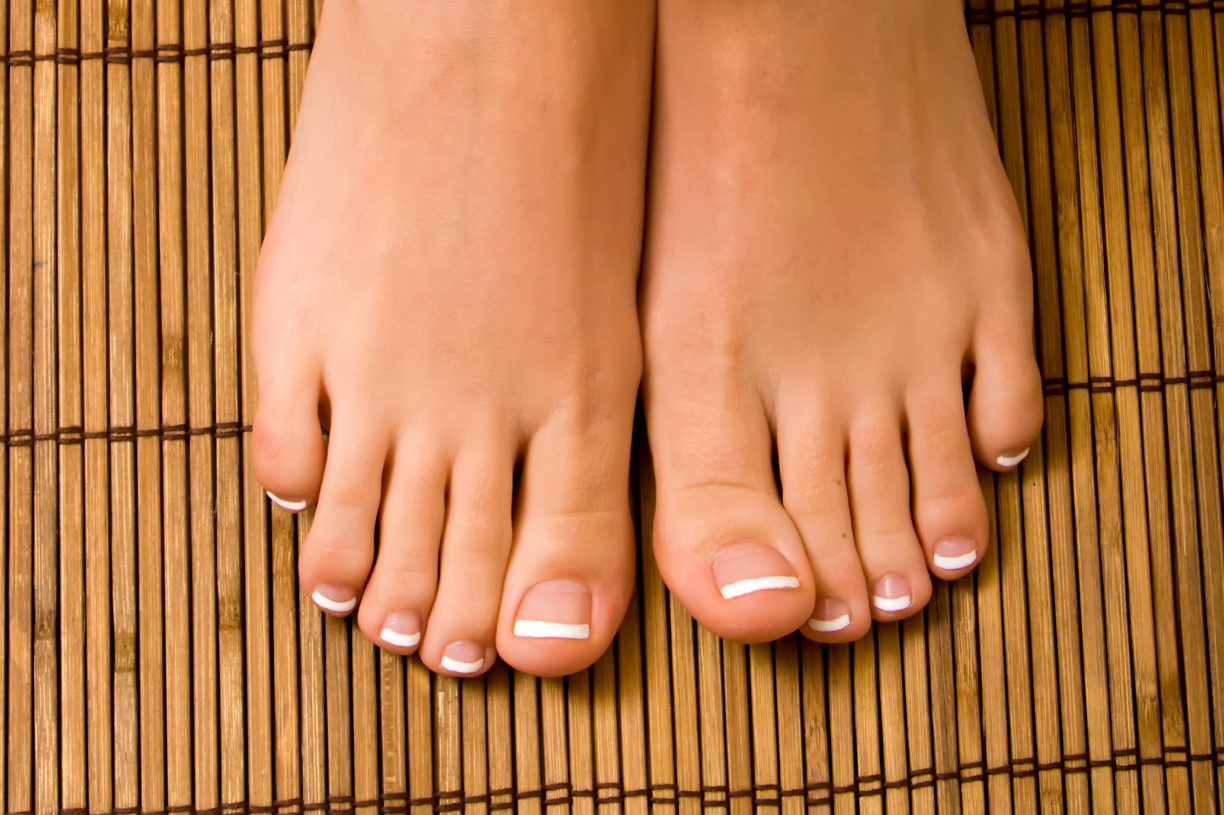
| Quick Answer A French pedicure is a classic look. Stylists paint a natural or sheer pink base with a clean white tip on the edge of each nail. The look never goes out of fashion. However, the execution is evolving. Softer, more diffused lines are replacing the sharp white tips. Stylists now think carefully about tailoring the look to different skin tones. Whether or not this style of pedicure is worth it for you ultimately depends on your nail shape, your skin tone, and the amount of care you want to give your nails. |
I almost skipped my last French pedicure appointment. A friend told me it looked dated, and for a second, I believed her. Then I actually sat with the idea and realized she was thinking of the old, harsh-white-stripe version.
Nobody’s doing that one anymore. What’s actually happening with French pedicures right now is quieter. And honestly, I think this one suits more people better than the original.
What Is A French Pedicure?
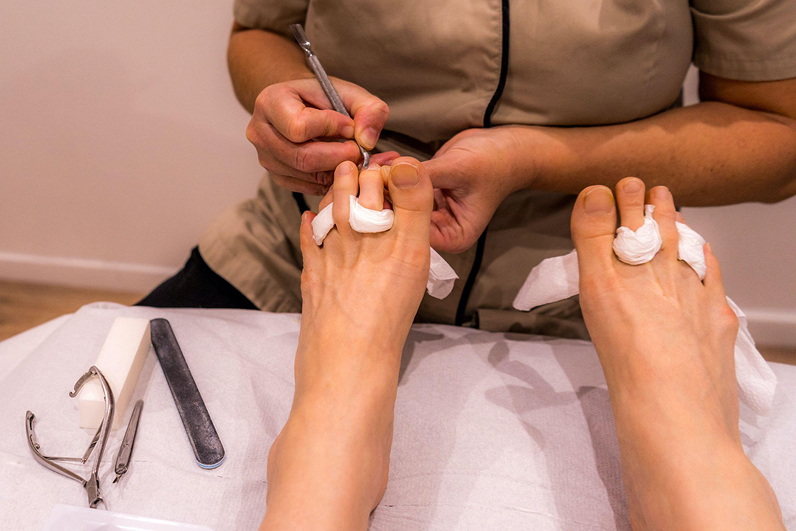
A French pedicure follows the same steps as any regular pedicure. Soak, trim, cuticle care, callus removal, massage – the proper foot care thing!
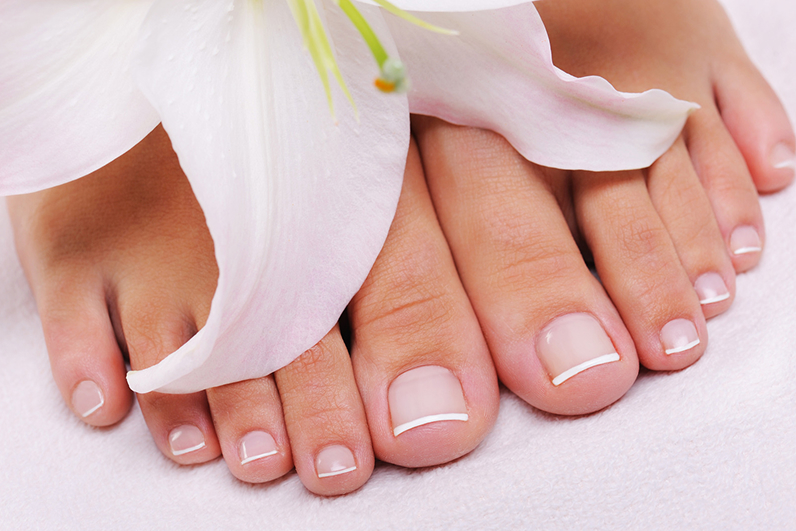
The only real difference shows up at the end, with the polish. Instead of one solid color across the whole nail, you get a sheer or nude base with a white tip along the free edge.
That’s it.
It’s not a separate treatment or a special technique for your feet. It’s a styling choice layered on top of a normal pedicure. Which is worth knowing before you pay extra for it somewhere that treats it like a completely different service.
Why It’s Changing, Not Disappearing
The stark white tip everyone associates with French pedicures is fading out. What’s replacing it is a softer, more blended line. Sometimes called a soft French or micro French, depending on how thin you paint the tip.
Nail techs I’ve spoken to say this shift is deliberate. Clients want the clean, put-together look without it reading as sharp or dated.
This matters more than it sounds, especially for anyone with deeper skin tones. The classic bright white stripe against a very fair, sheer base was designed with a narrow range of skin tones in mind.
A softer tip and a warmer, more pigmented base close that gap. If your toes have looked slightly off in a French pedicure before, it’s worth trying the softer version before writing off the whole style.
Where Most Advice Gets This Wrong For Indian Feet
A lot of talk around French pedicure assumes closed shoes, cooler climates, and skin tones the original trend wasn’t built for. None of that matches how most of us actually live.
Humidity changes everything about how long this polish holds up. If you’re stepping in and out of chappals, sandals, or wet floors during monsoon season, a bright white tip chips and yellows faster than a solid color would.
I learned this the hard way after a July pedicure that looked patchy within a week. Gel versions hold up considerably better in this weather, even though they cost more per visit.
People also tend to forget skin tone matching. A sheer pink base that reads as “natural” on fair skin can look chalky or mismatched on deeper skin tones.
Ask your nail tech to test the base shade against your actual skin before committing to the whole set, not just against a color chart. A warmer, slightly deeper base usually blends better than the palest option on the menu.
Does Your Nail Shape Actually Suit This Style?
Nobody talks about this enough, and it’s probably the biggest reason some French pedicures look great, and others look off.
The white tip is meant to follow the natural curve of your nail’s free edge. If your nails are cut very short, uneven in shape, or have an irregular edge from an old injury, the tip won’t sit cleanly. And the whole point of the style gets lost.
Longer, more evenly shaped nails show off the tip line the best. If your toenails are on the shorter or unevenly shaped side, ask your tech about a thinner micro French line instead of the classic wide tip. It’s more forgiving and doesn’t need as much of a clean edge to look intentional.
How Long It Actually Lasts
Regular polish French pedicures chip at roughly the same rate as any other regular pedicure. And that honestly isn’t that long once your feet are back in daily shoes or sandals.
If you want it to genuinely hold up, gel is worth the extra cost. It resists the chipping and yellowing that white tips are especially prone to, since white polish shows wear faster than darker shades.
If you’re unsure how often you should get a pedicure to keep a French set looking fresh, let me tell you. The honest answer is sooner than you’d think if you’ve gone with regular polish. But noticeably later if you’ve gone with gel.
Doing It Yourself
A French pedicure is one of the harder at-home nail looks to nail on the first try, mostly because of the tip line.
A shaky hand shows up far more obviously in white against a pale base than it would in a single solid color.
If you’re planning to try it yourself, thin coats and a proper guide – either striping tape or a stencil – make a real difference over freehanding it with a brush.
I’ve covered the fuller step-by-step in how to do a pedicure at home, which is worth reading first if this is your first attempt.
Is It Actually Worth Getting?

I would say yes, with conditions.
It’s a genuinely versatile look. It goes with everything. And that really matters if you don’t want to think about matching your pedicure to every outfit.
But it’s not the lowest-maintenance option. It won’t automatically flatter every nail shape or skin tone. Your stylist will need to make a little adjustment.
Are you comparing it against other pedicure types before booking? It’s worth knowing where French fits into the bigger picture
Personally, I would say that it’s a styling choice you can layer onto almost any base pedicure. But not a separate category of treatment on its own.
My Verdict On French Pedicure
A French pedicure isn’t dated. The version most people are picturing when they say that is. The softer, skin-tone-aware version happening now is worth a second look, especially if your last experience with this style didn’t quite land.
Get the base shade right, get the tip width right for your nail shape, and it holds up as one of the most reliably good-looking pedicure choices out there.